Industry: Strengthening technical universities as Austria's innovation factor in international competition

TU Austria presents seven-point paper to strengthen technical universities - Ensuring young talent in STEM subjects - Already noticeable shortage of skilled labour - Technical universities reliable partners for industry.
"Eight out of ten industrial companies already have problems finding qualified personnel - from skilled labour to academic graduates - in future-oriented areas such as technology, production or research and development - and the trend is rising. Austrian industry therefore supports TU Austria's initiative to strengthen technical universities as one of the country's key innovation factors," emphasised Georg Kapsch, President of the Federation of Austrian Industries (IV), at a joint press conference with the TU Austria initiative at the House of Industry in Vienna today, Tuesday 20 April 2013. "We urgently need to endeavour to recruit more young talent in the STEM subjects - every fifth to sixth newly advertised job in Austria is currently unfilled". It is therefore important for industry to visibly support TU Austria's position paper "Seven points for Austria's future". "The Austrian universities - the technical universities in particular - have been and continue to be reliable partners for Austrian industry. For example, 85 per cent of our leading companies regularly collaborate with universities on research projects," explained Kapsch. "We need to bring Austria back into the realm of innovation leaders; unfortunately, we have fallen back into the midfield of innovation followers in recent years. In the interests of jobs and prosperity, we need to take swift countermeasures here," said the IV President.
Successful "Technical University" system
With 42,000 students and 8,500 employees, the "TU Austria" initiative forms the network of technical universities in Austria. TU Wien, TU Graz and Montanuniversität Leoben have developed a seven-point paper - "Seven points for the future of Austria" - which outlines essential topics for the positive development of Austrian universities, in particular the universities of technology. The Rector and the Rectors of the Network of Austrian Universities of Technology emphasised in unison during the presentation of the paper: "Exclusive expertise in science and engineering teaching and research needs adequate conditions." "As TU Austria, we have a unique range of technical and scientific expertise and are therefore a highly attractive cooperation partner for business and industry both nationally and internationally," explained TU Austria President and Rector of Montanuniversität Leoben Wilfried Eichlseder. For this reason, great attention should also be paid to the funding conditions for the important funding programmes (FFG, Comet).
"In order to be able to maintain or further develop the successful "technical university" system, it must also be possible to finance appropriate activities that can inspire more young people to study technical subjects and, in particular, increase the proportion of women among students," Eichlseder added, adding that this would also require intensive information campaigns at schools. "Numerous studies prove that the achievements of technical universities in teaching and research form the elementary basis for the prosperous development of the Austrian economy and industry and ultimately our prosperity," concluded the TU Austria President.
Innovation needs the right breeding ground
TU Austria is committed to ensuring that knowledge and technology transfer is understood as part of comprehensive research and innovation promotion. Knowledge transfer from universities takes place via graduates and research collaborations. At technical universities, scientists find an environment that is characterised by the knowledge triangle of research, teaching and innovation. "Innovation does not fall from the sky, but requires a breeding ground on which the diverse spectrum from basic research to potential application can be spanned," explained the Rector of TU Wien, Sabine Seidler. Economic co-operation would enable science to perceive innovation as a joint task of the university and companies. In order to ensure international competitiveness, separate financing models are needed for the acquisition and renewal of cost-intensive technical infrastructure such as large-scale equipment and laboratories.
Bernhard Hofmann-Wellenhof, himself Vice-Rector for Teaching at TU Graz, called for more quality and efficiency in teaching. To achieve this, it is necessary to direct student flows while taking capacities into account, because "even at technical universities there are studies that require control mechanisms". Mechanisms that have been realised so far do not provide enough options here. "We need to orientate ourselves towards actual capacities and internationally accepted supervision standards," says Hofmann-Wellenhof. As a positive effect, this should also result in fewer drop-outs and therefore less of a burden for all sides - students, universities and society. Hofmann-Wellenhof would like to see strong political support for the internationalisation of universities, because: "Cooperation and networking are central to successful academic work." In particular, in order to optimally open up career paths for students, political backing and suitable framework conditions are needed for the internationalisation of courses and curricula.
Queries:
Mag. Anna Helmy
Federation of Austrian Industries, Press Officer
T: +43-1-71135-2305
a.helmy(at)iv-net.at
Mag. Dr. Elke Standeker, Bakk. MBA
TU Austria, Head of the Coordination Centre
T: +43-3842-4027013
elke.standeker(at)tuaustria.ac.at
Photo: © Federation of Austrian Industries
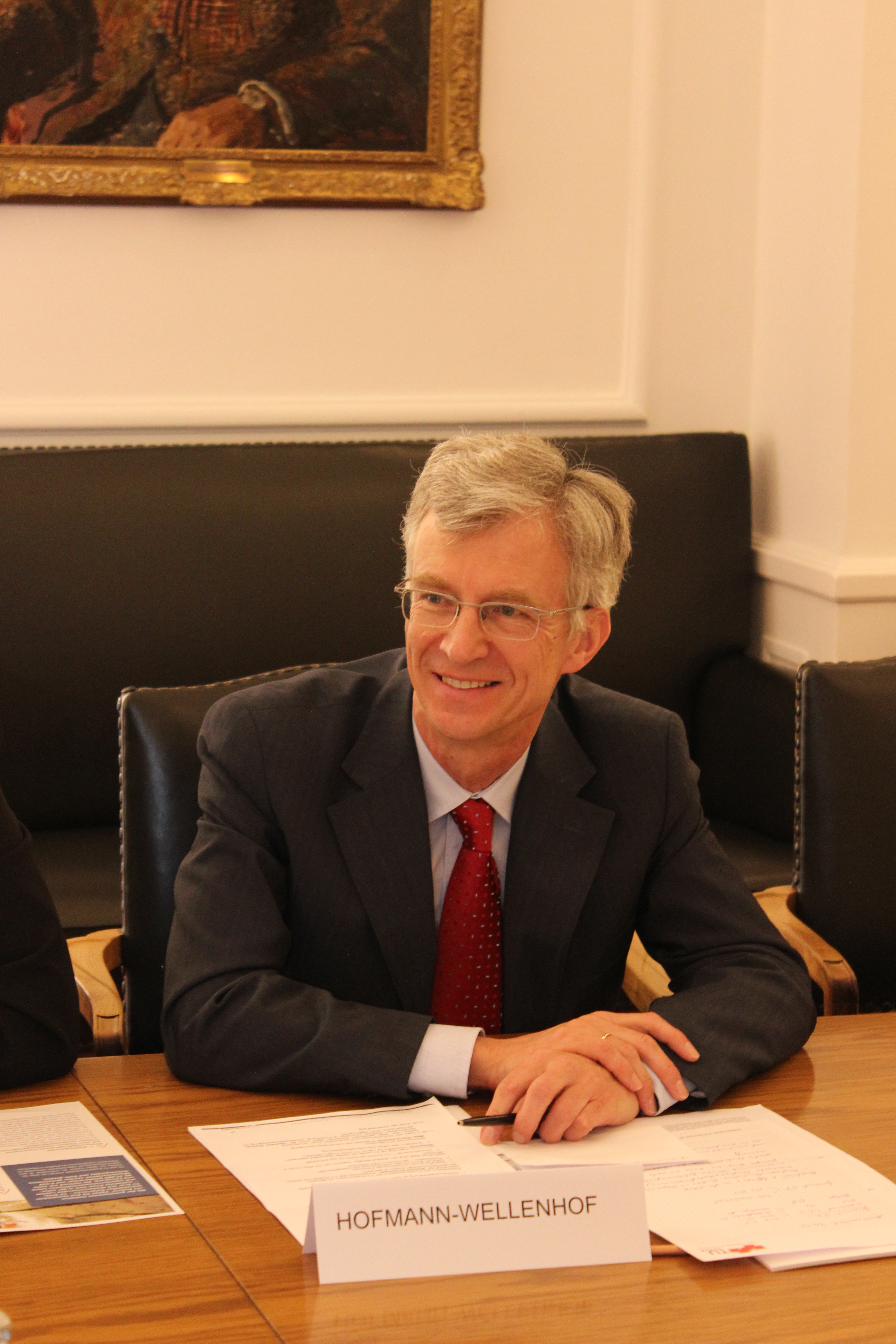
Foto: © Industriellenvereinigung
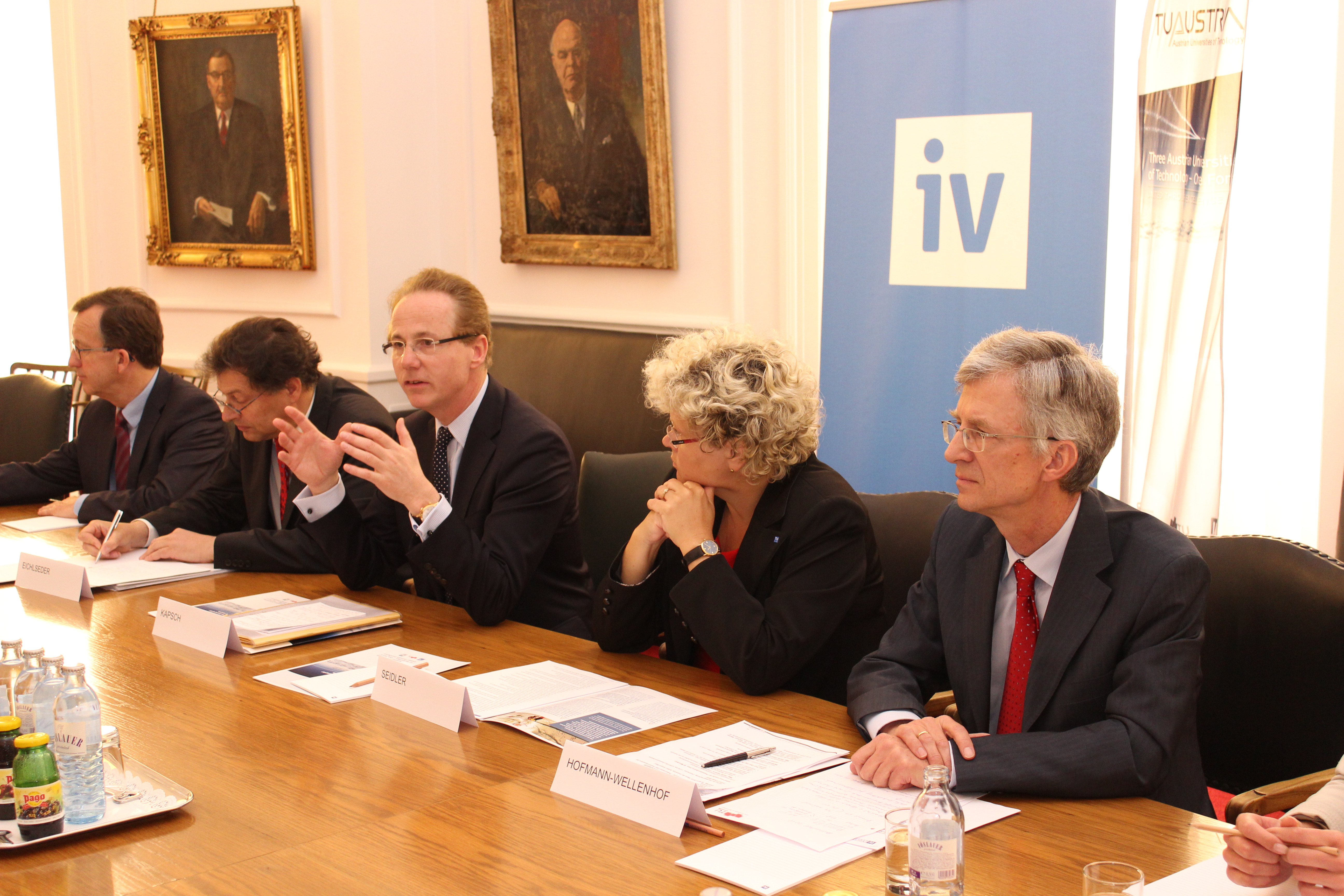
Foto: © Industriellenvereinigung
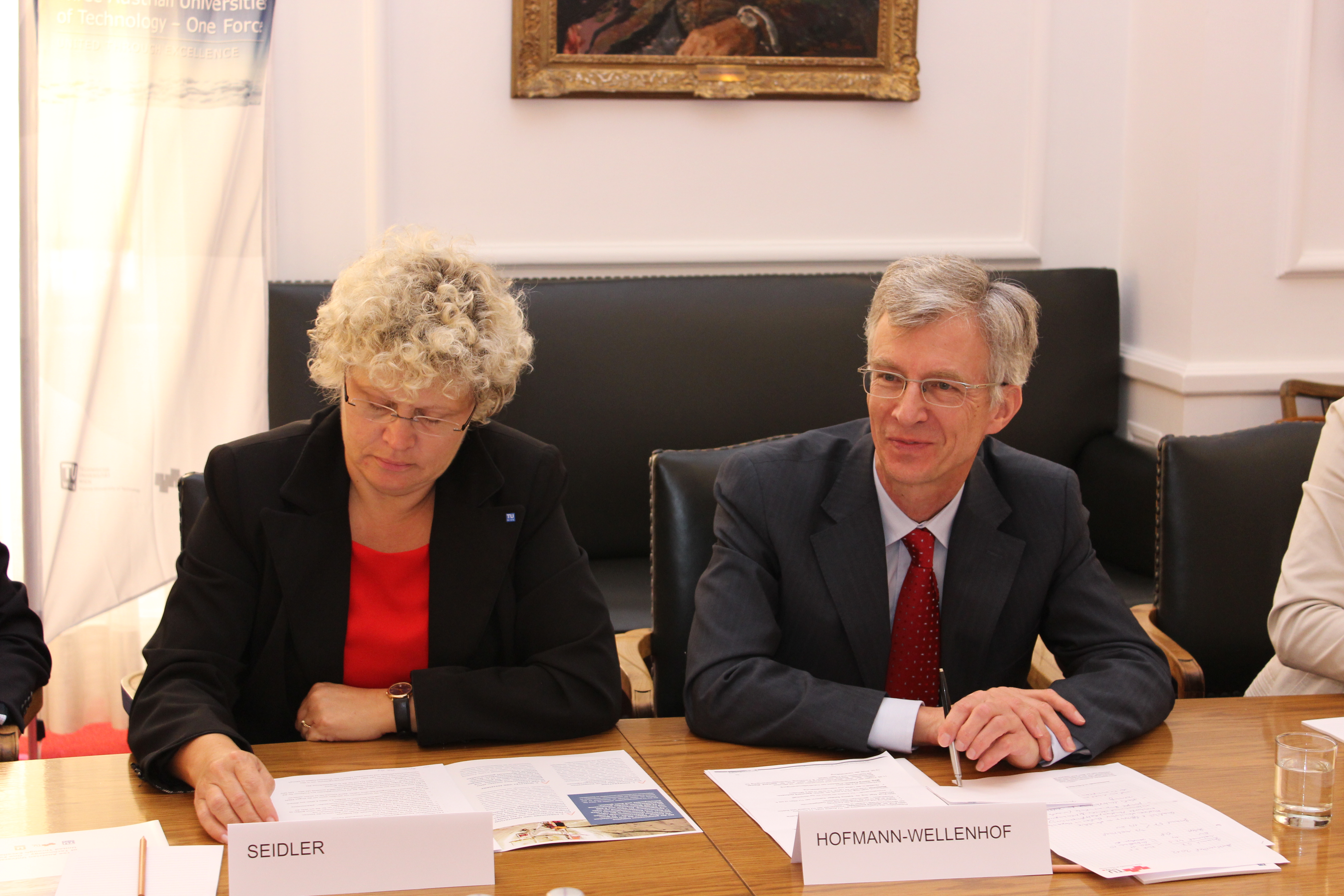
Foto: © Industriellenvereinigung
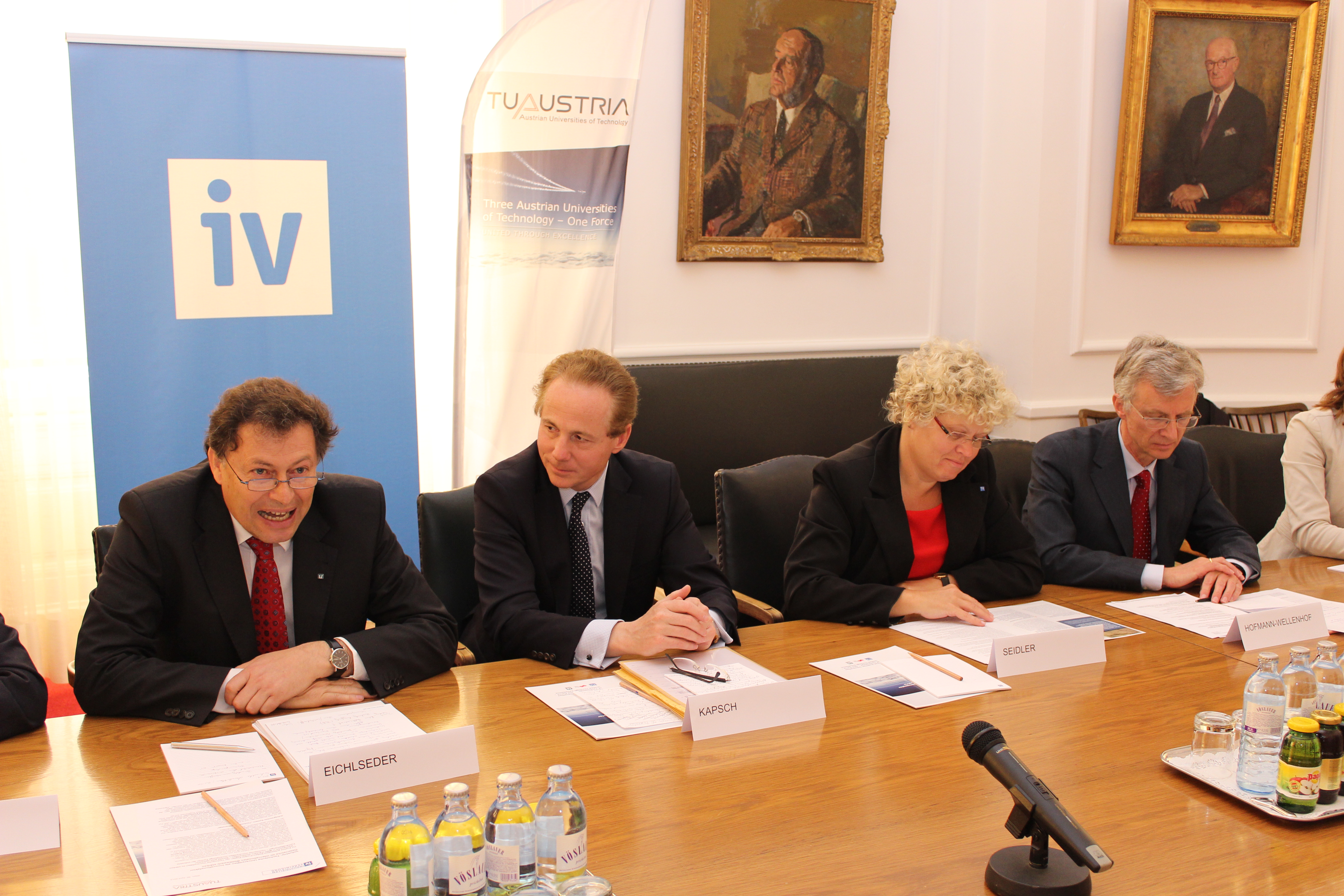
Foto: © Industriellenvereinigung
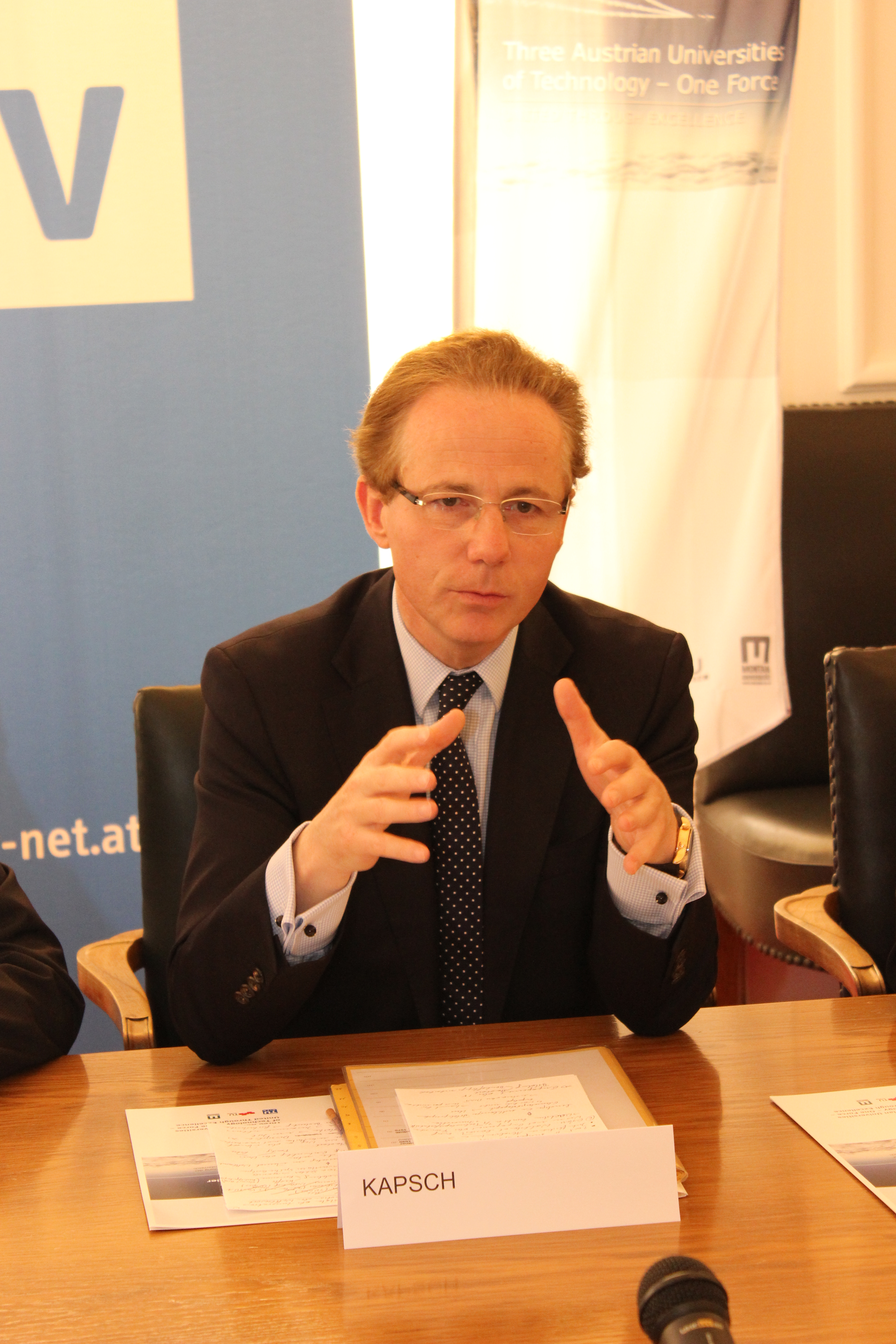
Foto: © Industriellenvereinigung
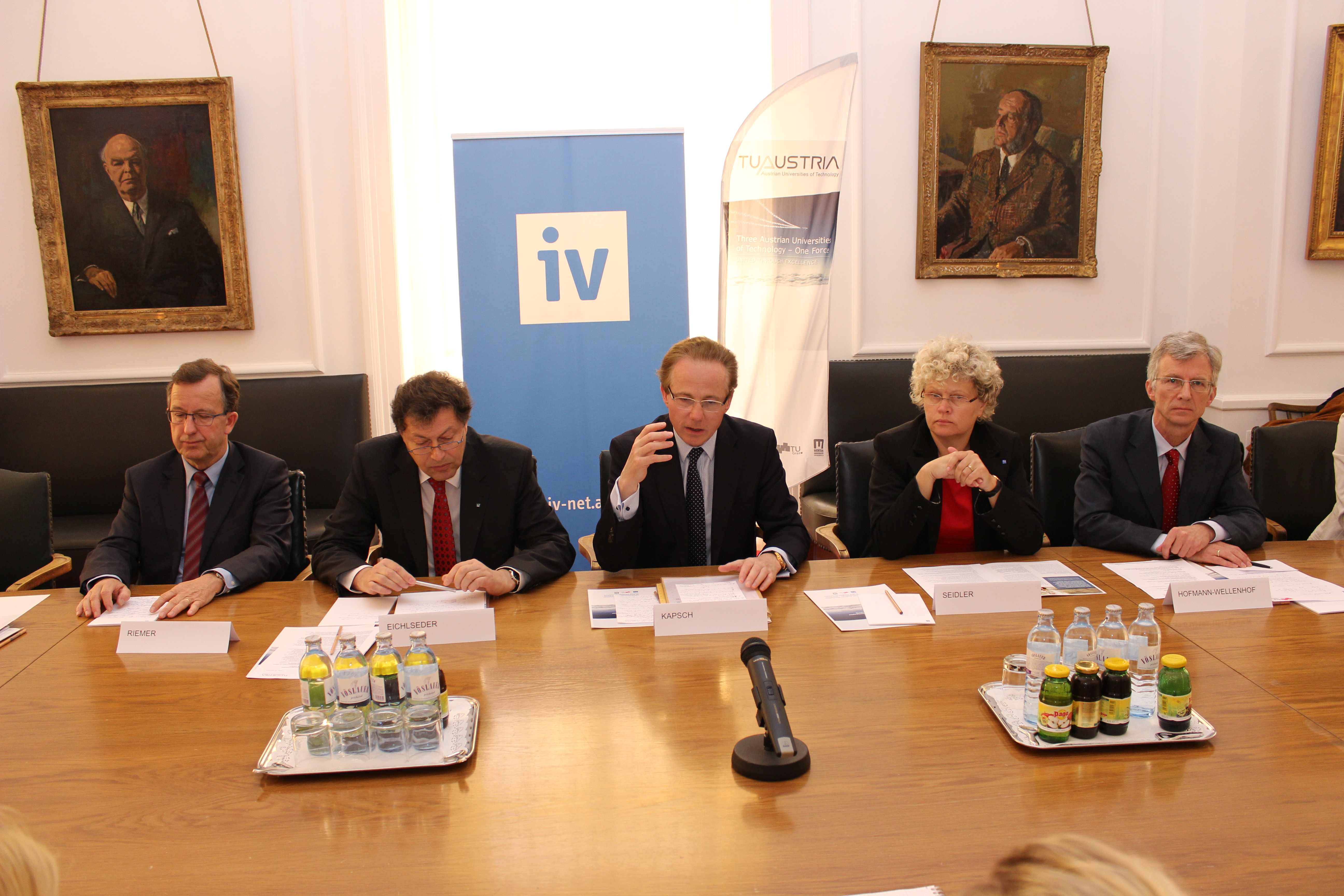
Foto: © Industriellenvereinigung
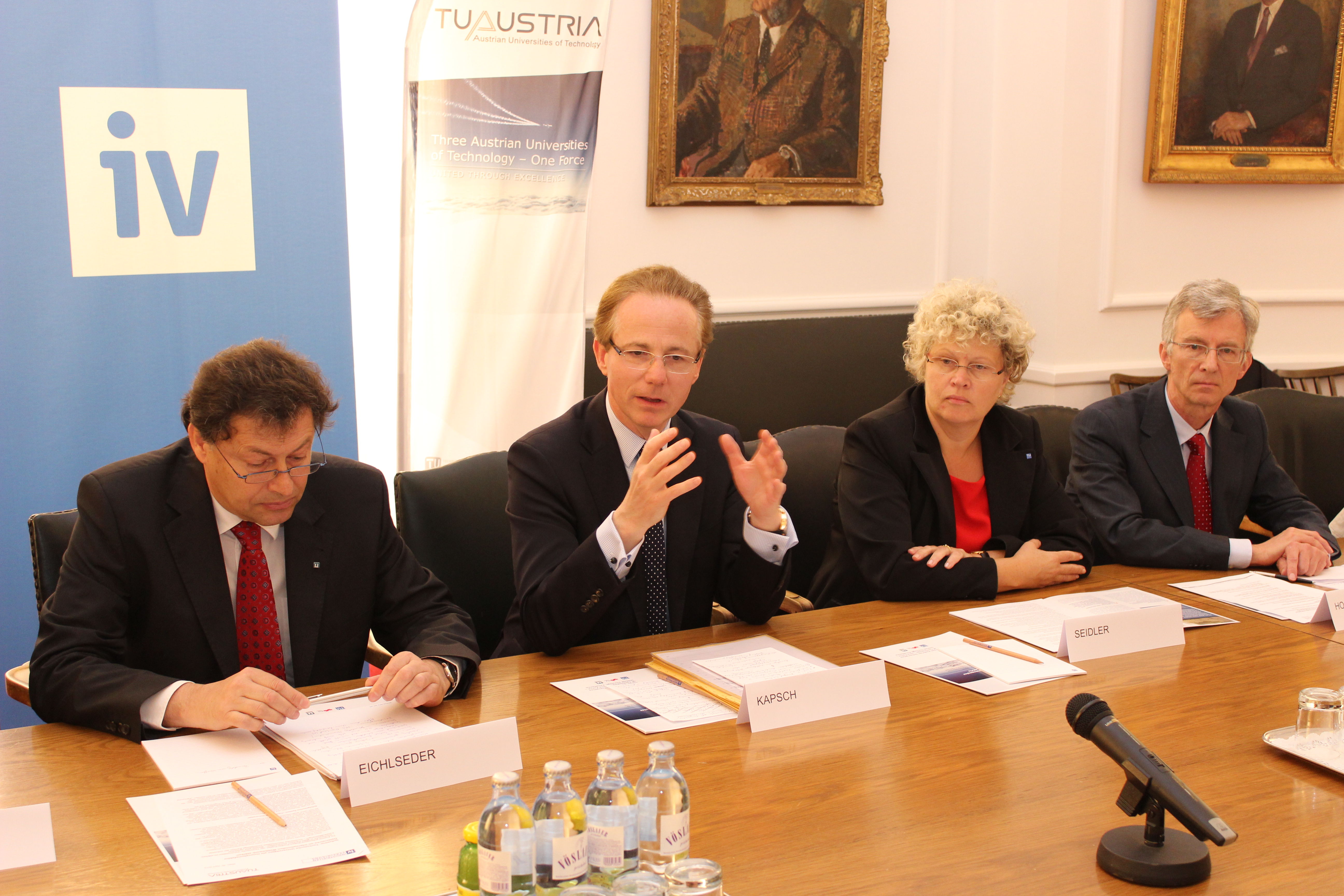
Foto: © Industriellenvereinigung
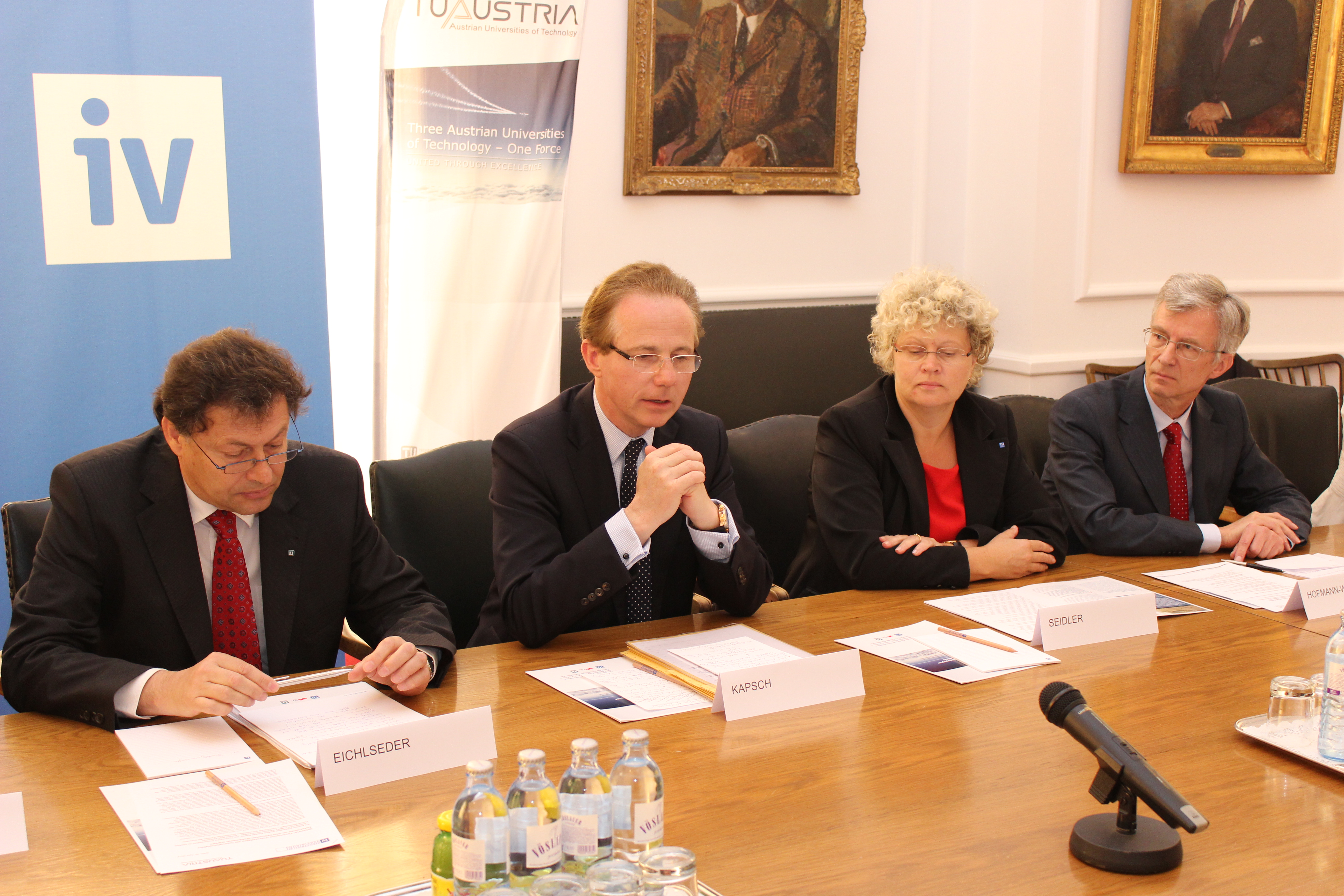
Foto: © Industriellenvereinigung
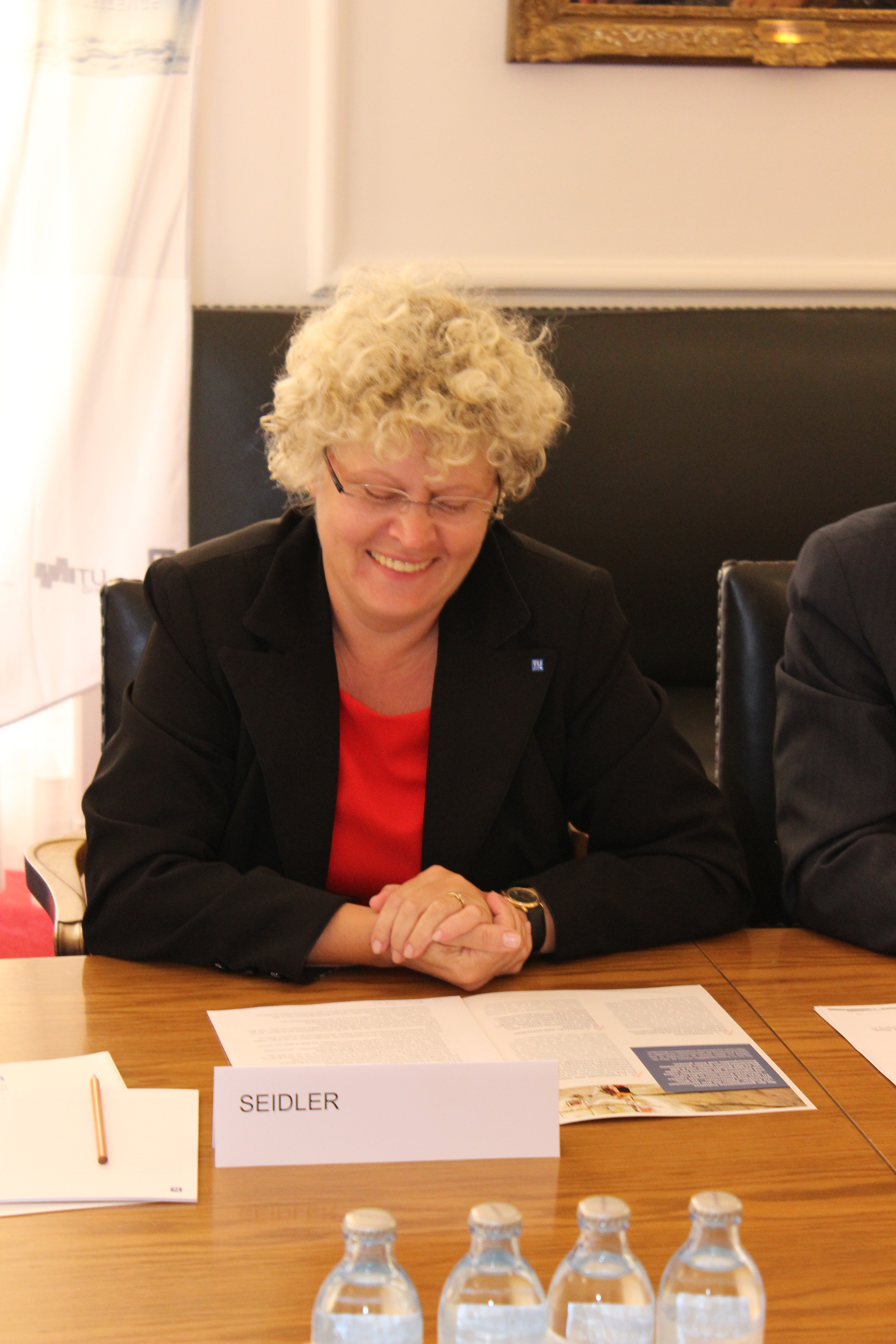
Foto: © Industriellenvereinigung
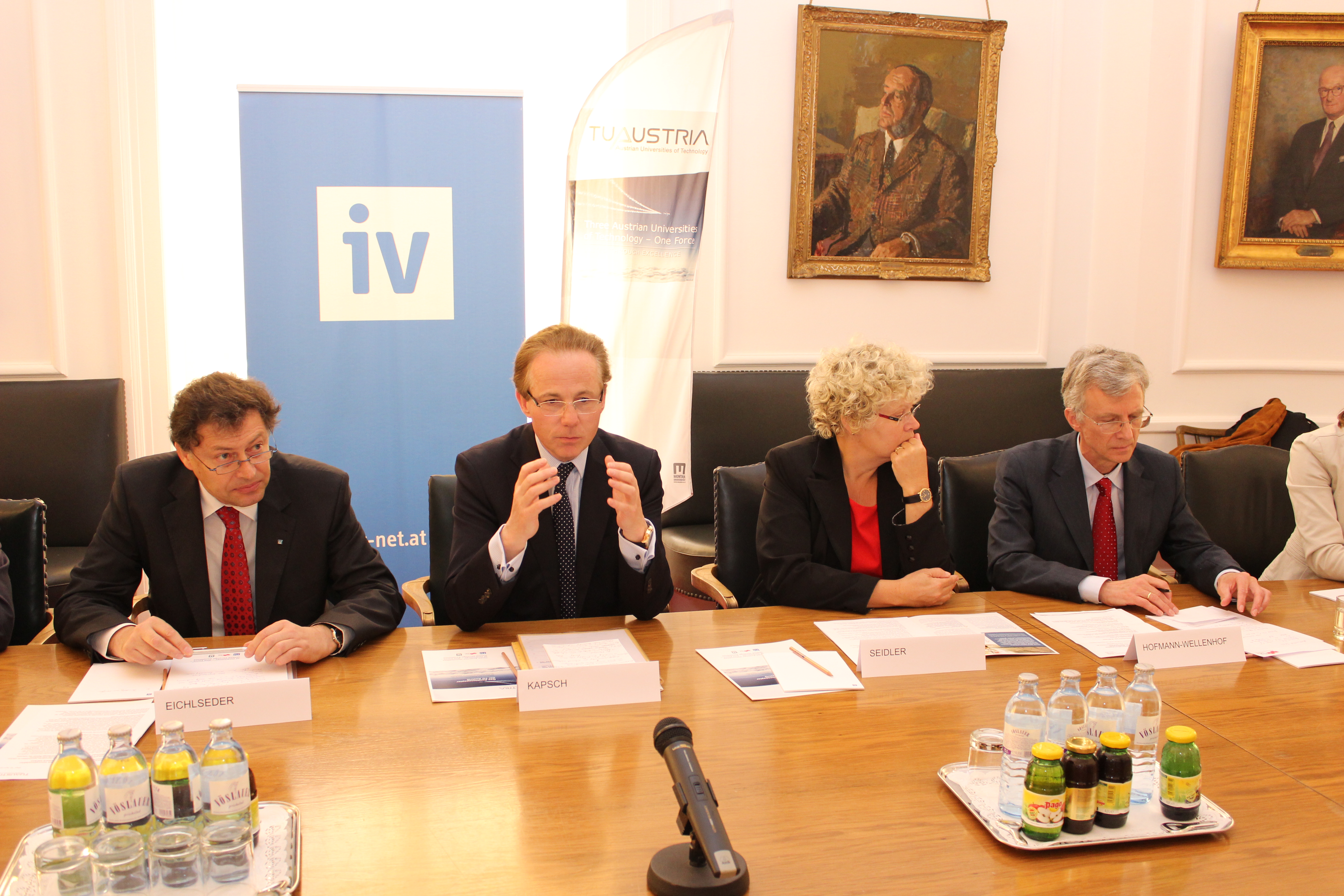
Foto: © Industriellenvereinigung