
13. International Summer School
on Advanced Studies of Polymer Electrolyte Fuel Cells
Graz University of Technology, 6-14 September 2021
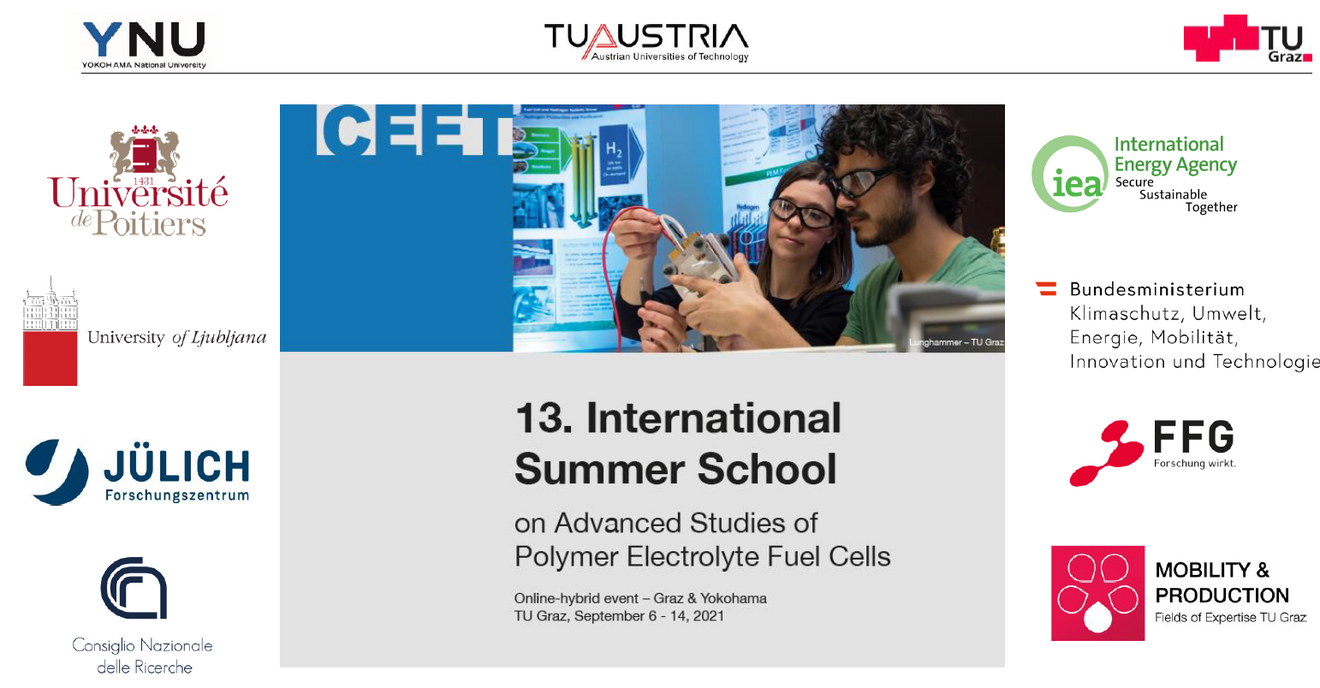
The thirteenth Summer School on Advanced Studies of Polymer Electrolyte Fuel Cells was organised in cooperation with the Graz University of Technology and Yokohama National University.
The aims of this event include deepening the expertise of the participants, international and cultural exchange between researchers, and the opportunity to make new contacts and deepen existing ones. For the first time, this event was held in a hybrid form – i.e. both online and on-site at Graz University of Technology.
Intensive course
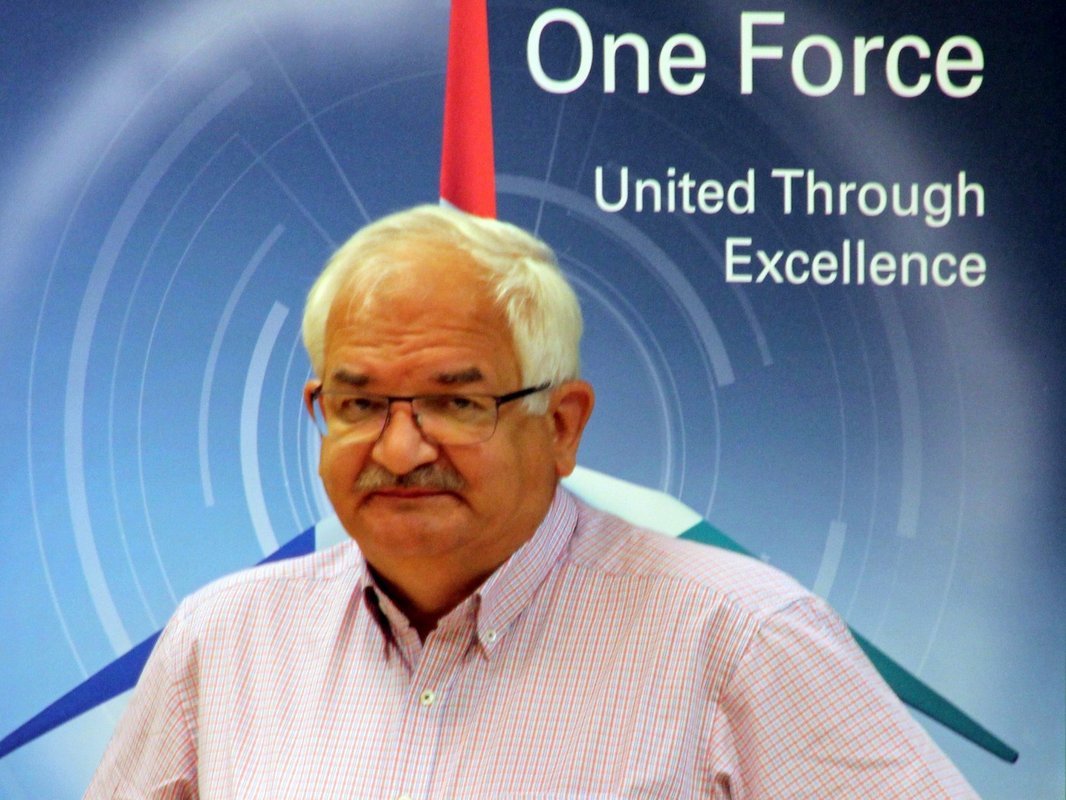
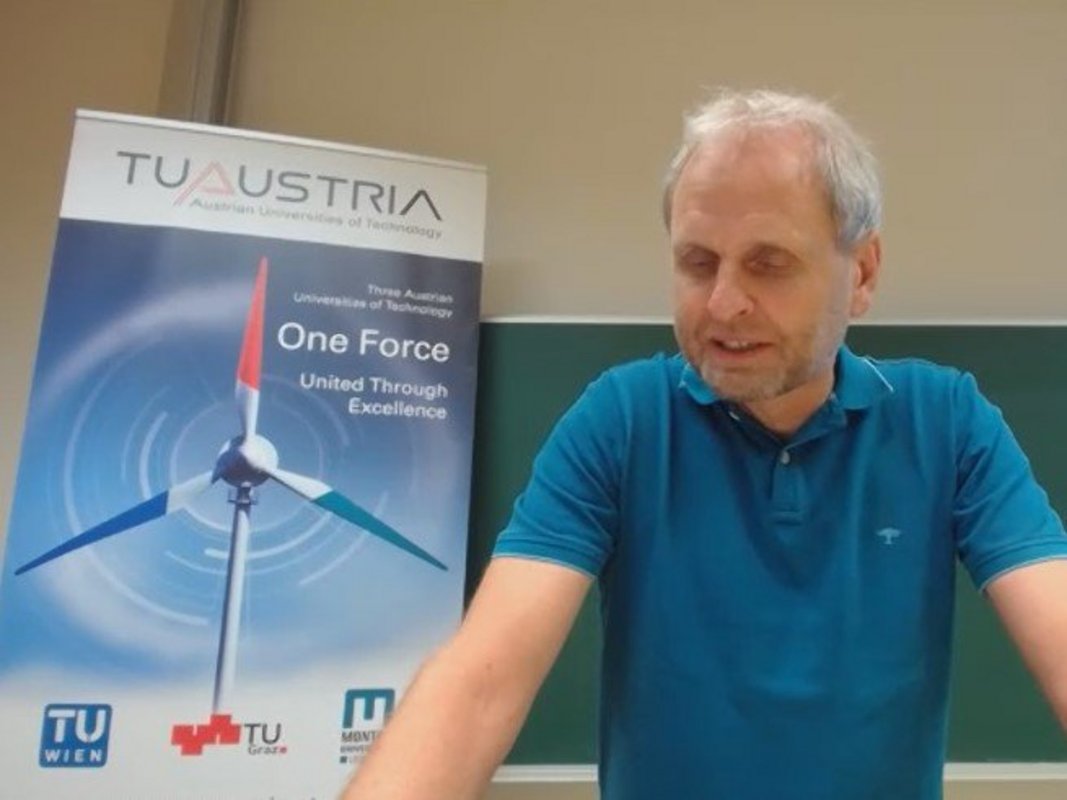
The seven-day intensive course was opened by Dean Prof. Frank Uhlig and Prof. Viktor Hacker. Prof. Uhlig also announced the continuation of the long-standing cooperation between Graz University of Technology and Yokohama National University.
The seven days of lectures covered the fundamentals and principles of fuel cells (Prof. Hacker, TUG and Prof. Mitsushima, YNU), electrochemical fundamentals (Prof. Gollas, TUG), catalysis (Dr. Napporn, Univ. Poitiers), kinetics (Prof. Kokoh, Univ. Poitiers), mass transport (Prof. Araki, YNU), thermodynamics (Dr. Reimer, FZ Jülich), measurement technology (Prof. Kuroda, YNU, Prof. Habrioux, Univ. Poitiers and Dott. Squadrito, CNR), durability (Dr. Bodner, TUG), modelling (Prof. Katrašnik, Univ. Ljubljana), hydrogen technology & hydrogen production (Prof. Kuroda, YNU and Dr. Bock, TUG) and hydrogen applications (Prof. Ota, YNU).
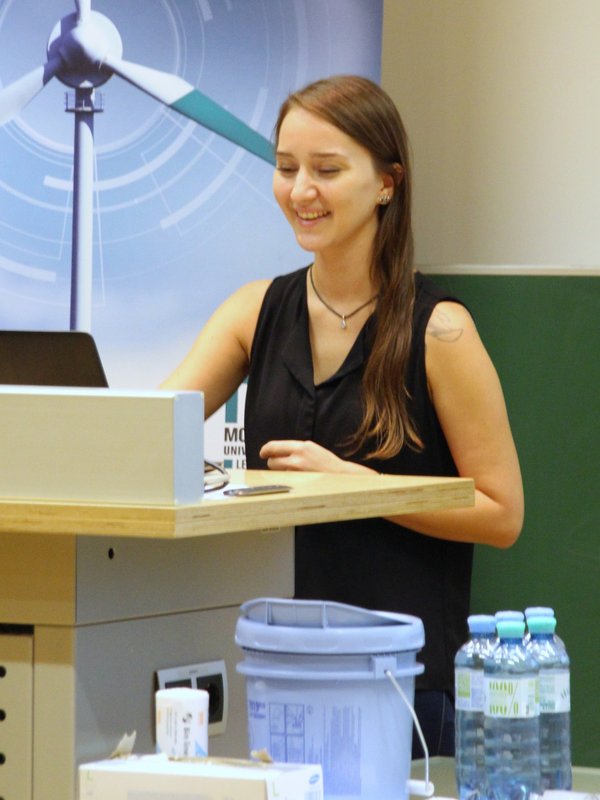

In addition to the lectures, the 14 speakers from Japan, France, Italy, Germany, Slovenia and Austria introduced the 69 participants from seven international universities to the various aspects of these future technologies in a series of interactive exercises.
The students were able to present and discuss their own research online in a poster session. A total of 23 posters were presented in short lectures. An international committee headed by Dr. Uwe Reimer (FZ Jülich) awarded four prizes to students from Japan, Slovenia and Austria for the excellent presentation of their work.
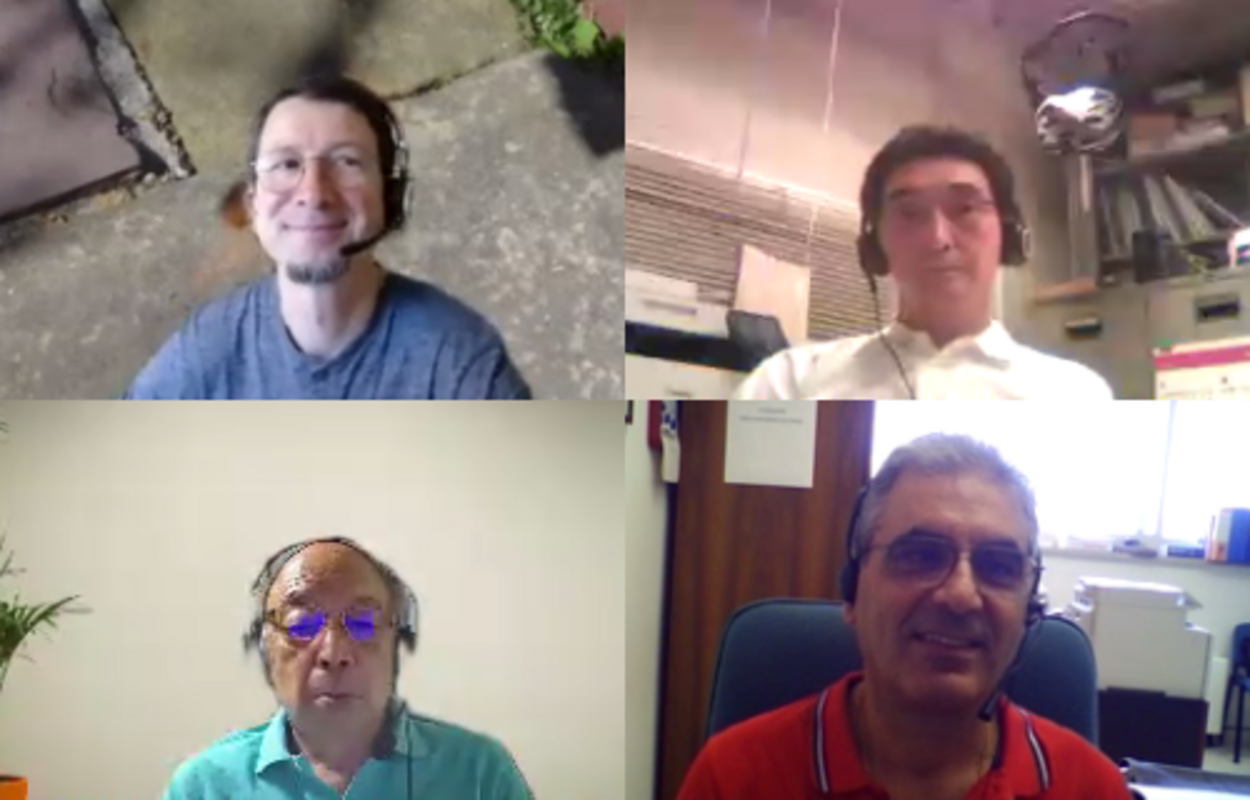

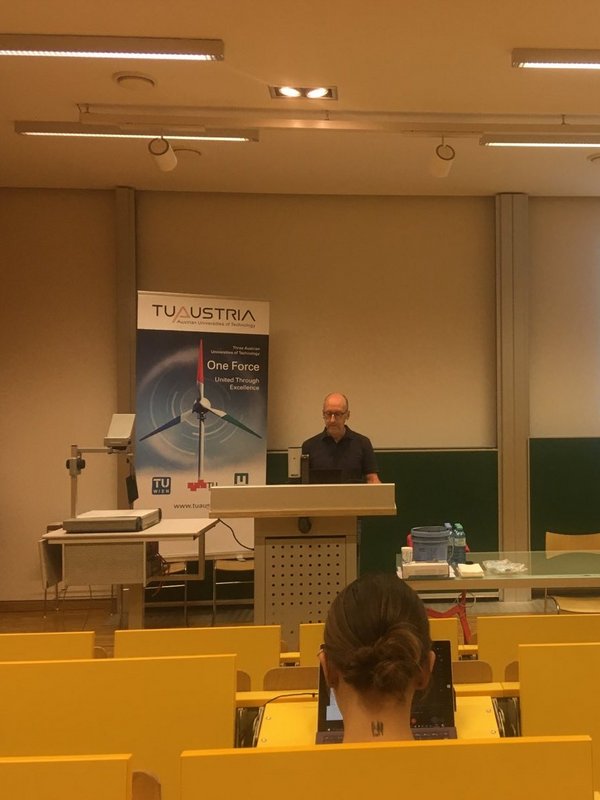
Finally, students who successfully pass the written exam have the opportunity to have the knowledge acquired at the summer academy credited as an optional subject at Graz University of Technology or Yokohama National University. This brings successful participation a step closer to graduation.
Interactive events
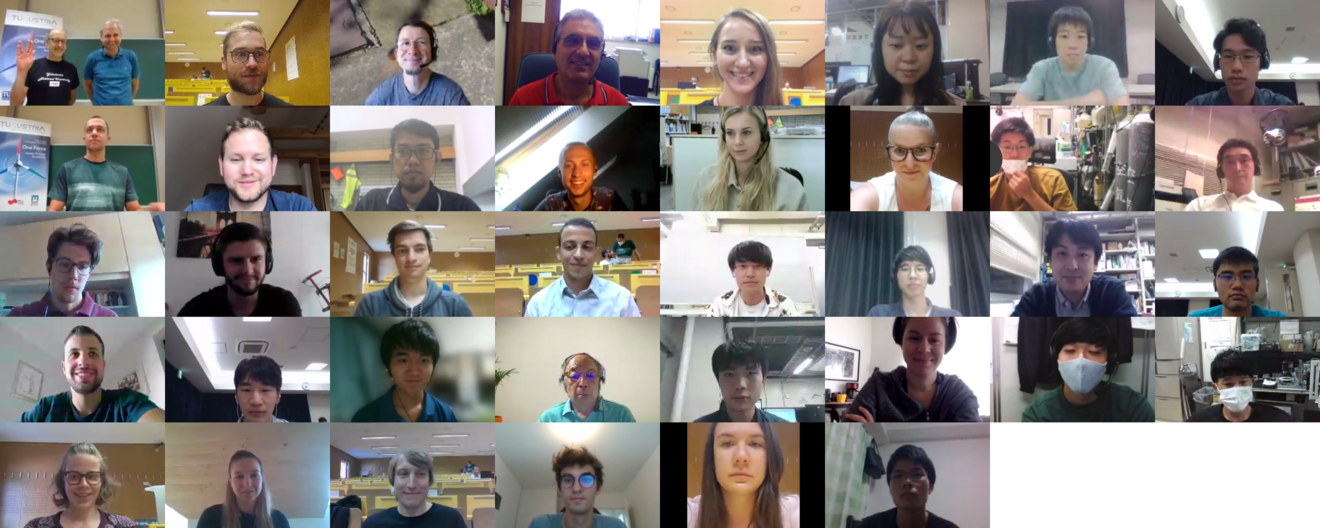
The event included several interactive courses to promote communication and collaboration among participants. For example, there was a quiz in which students from different cultures had to work together to solve it.
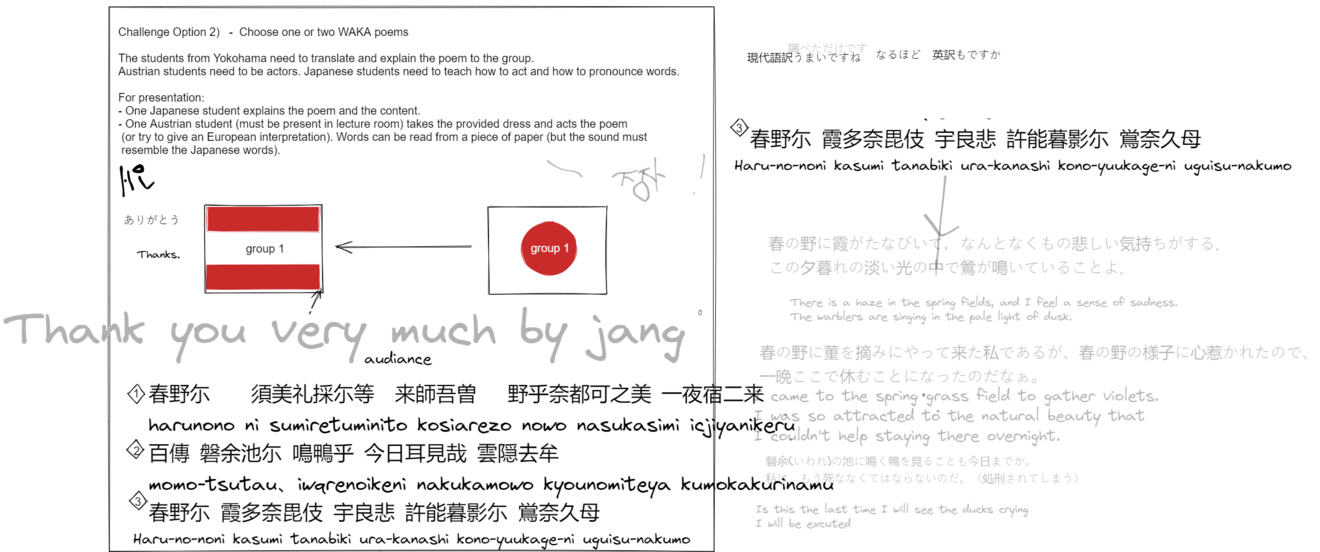
A recording of a shared whiteboard during the puzzle provides an insight into this process. After a short period of familiarisation, active communication took place, which made it possible to complete the tasks well.
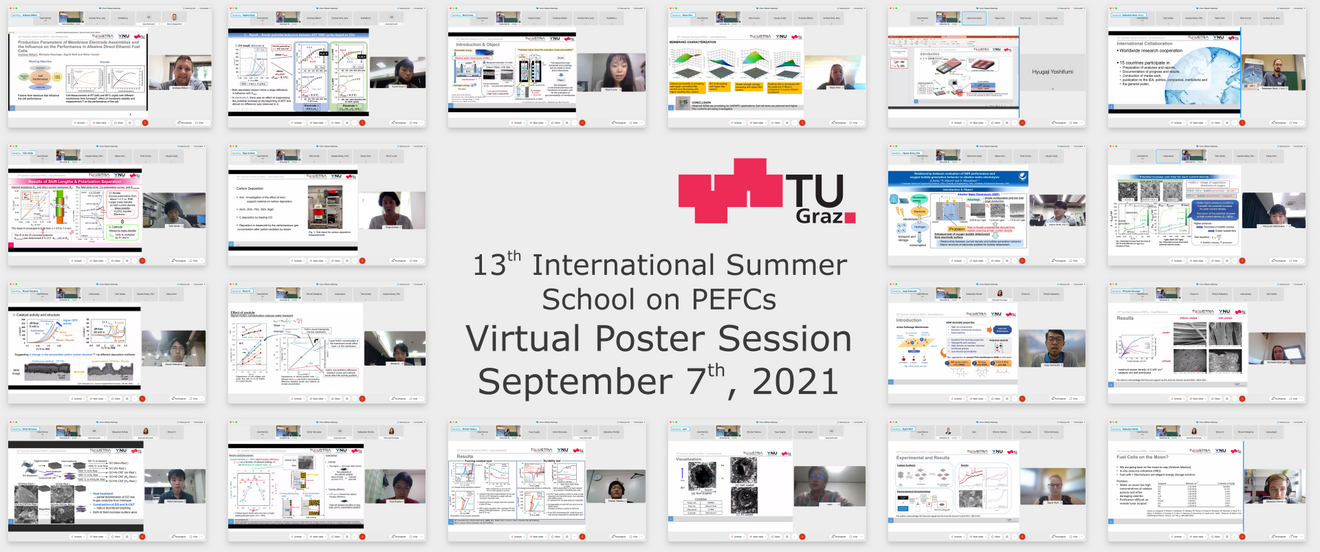
After the poster presentations, there was also a virtual poster session. Here, each presenter had their own virtual room in which it was possible to ask questions and engage in discussions. There were also intensive discussions here, some of which extended well beyond the allotted time frame.
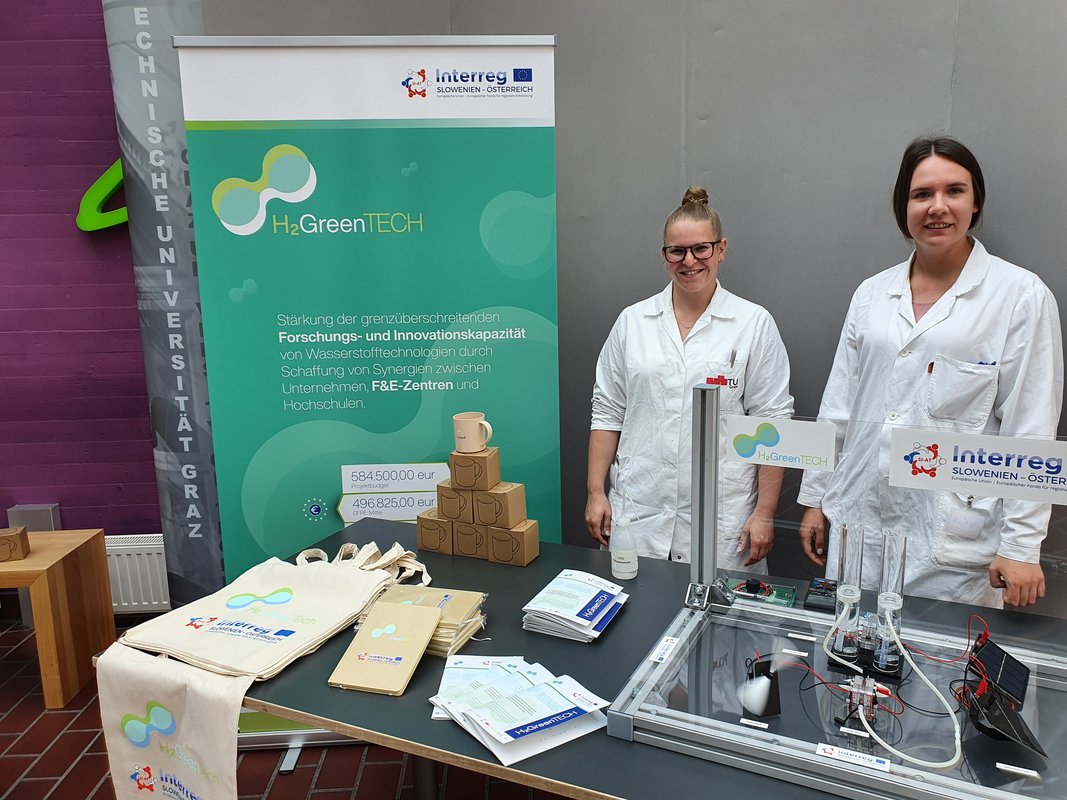
On the last day, the newly acquired knowledge was applied and consolidated in practical examples in an interactive workshop.
The correct results, the division of labour and cooperation between the participants, and the intensive discussions showed the great interest and the increase in knowledge of the participants. The workshop was concluded with a practical demonstration of a laboratory fuel cell unit of the H2GreenTech project by Michaela Roschger and Sigrid Wolf.
Publication of the lectures
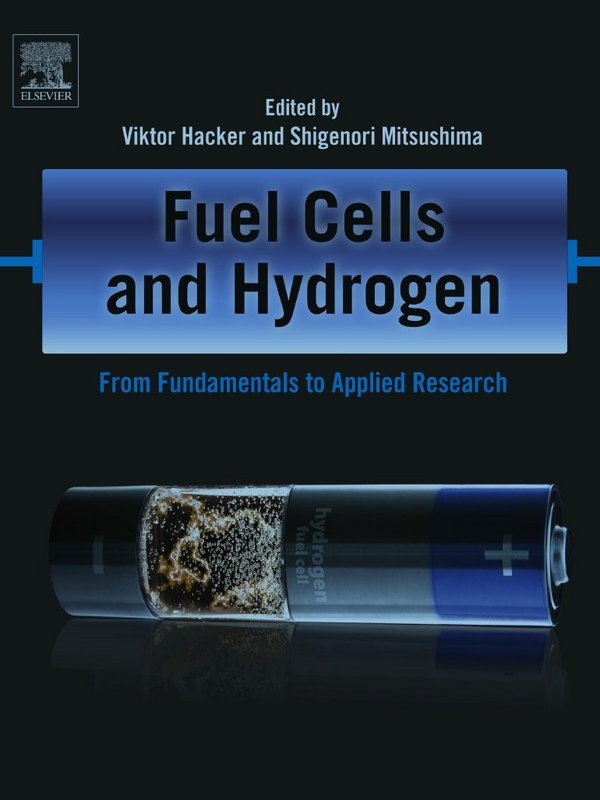
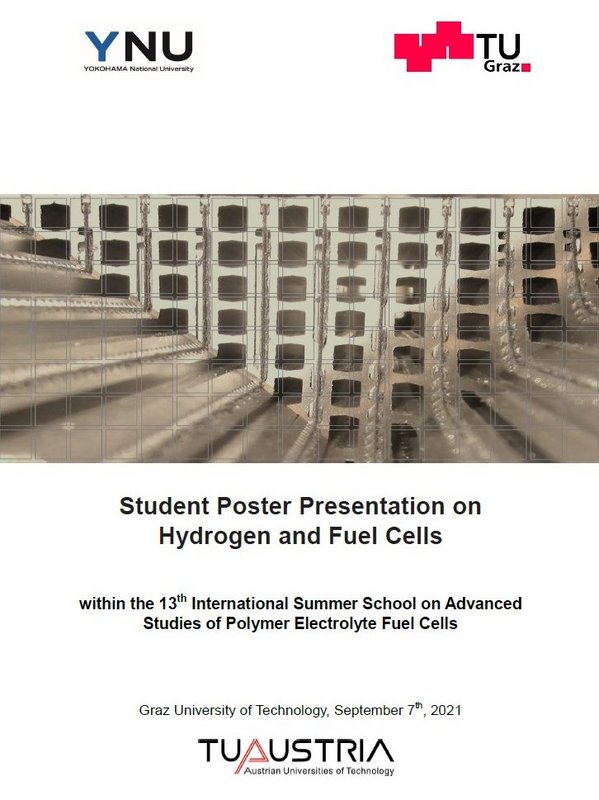
The book serves as a lecture document: From Fundamentals to Applied Research, Hacker, V. & Mitsushima, S. (eds.), 19 Jul 2018, Amsterdam, Elsevier. The abstracts of the 23 poster presentations were summarised in the abstract book. The contributions in the abstract book cover fuel cell and hydrogen research, starting from membrane production, catalyst development, lifetime analyses, system developments, electrolysis, to fuel cell developments for lunar missions.
Further information on the Summer Academy can be found at www.tugraz.at/fcsummerschool. The next Summer School on Advanced Studies of Polymer Electrolyte Fuel Cells will take place at Yokohama National University, end of August 2022.
Acknowledgement
We would like to express our special thanks to everyone who supported the Summer Academy by giving a lecture or lending a helping hand on site, in particular Brigitte Hammer and Sebastian Bock for the excellent organisation, Michael Lammer for creating the abstract book and Mathias Heidinger for the technical support.
This project is supported by the IEA research cooperation on behalf of the Federal Ministry for Climate Action, Environment, Energy, Mobility, Innovation and Technology and by TU Austria.
Contact:
Prof. Viktor Hacker,
Brigitte Hammer, Bakk.
Tel.: +43 (316) 873 – 8781
E-Mail: brigitte.hammer(at)tugraz.at
www.ceet.tugraz.at