Technical universities and industry: The ountry needs top talent
01.10.2019
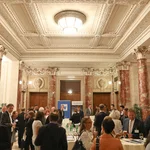
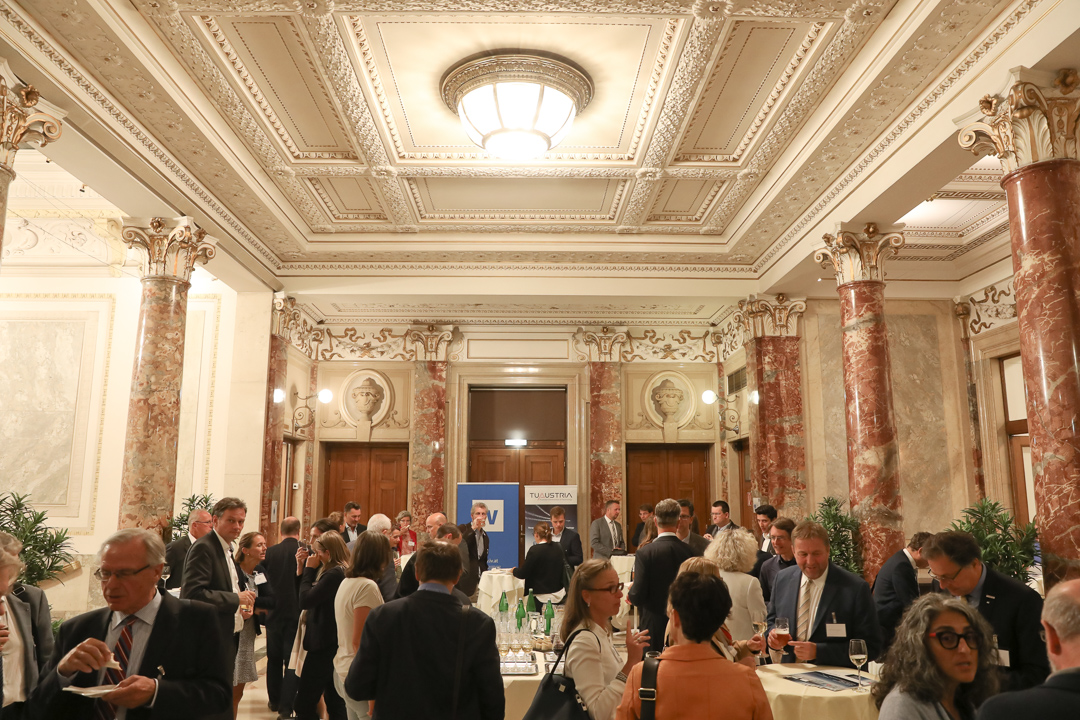
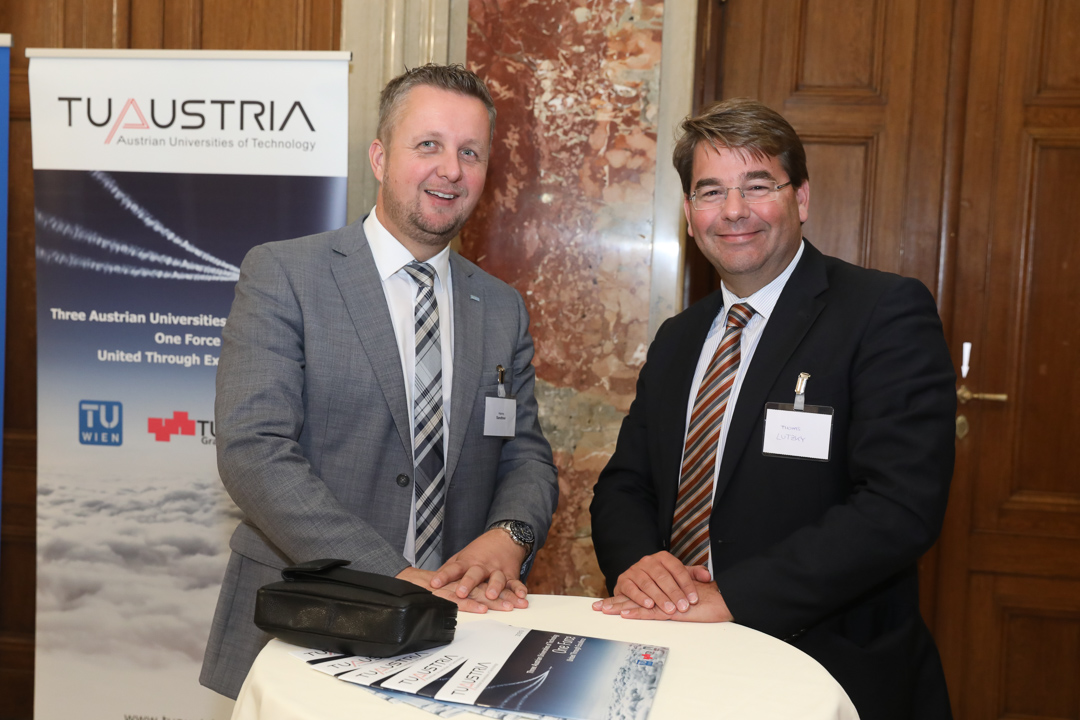
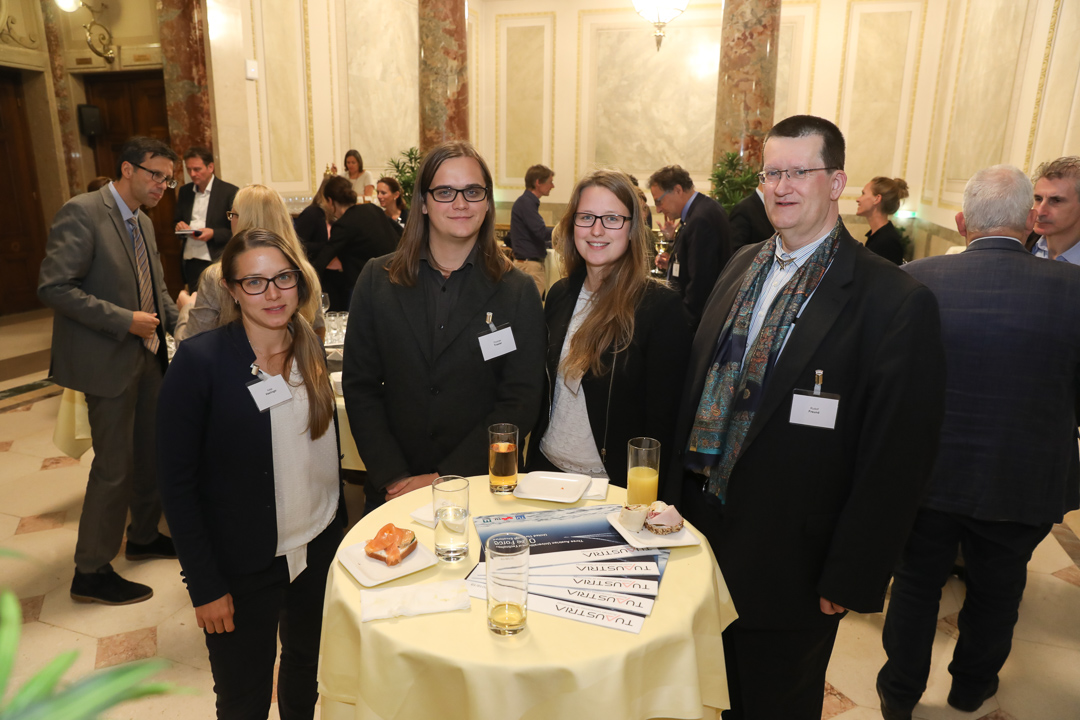
The 2nd “Higher Education Policy Dialogue” on September 30 at the House of Industry was dedicated to the question “How does Austria attract top talent for science and business?”
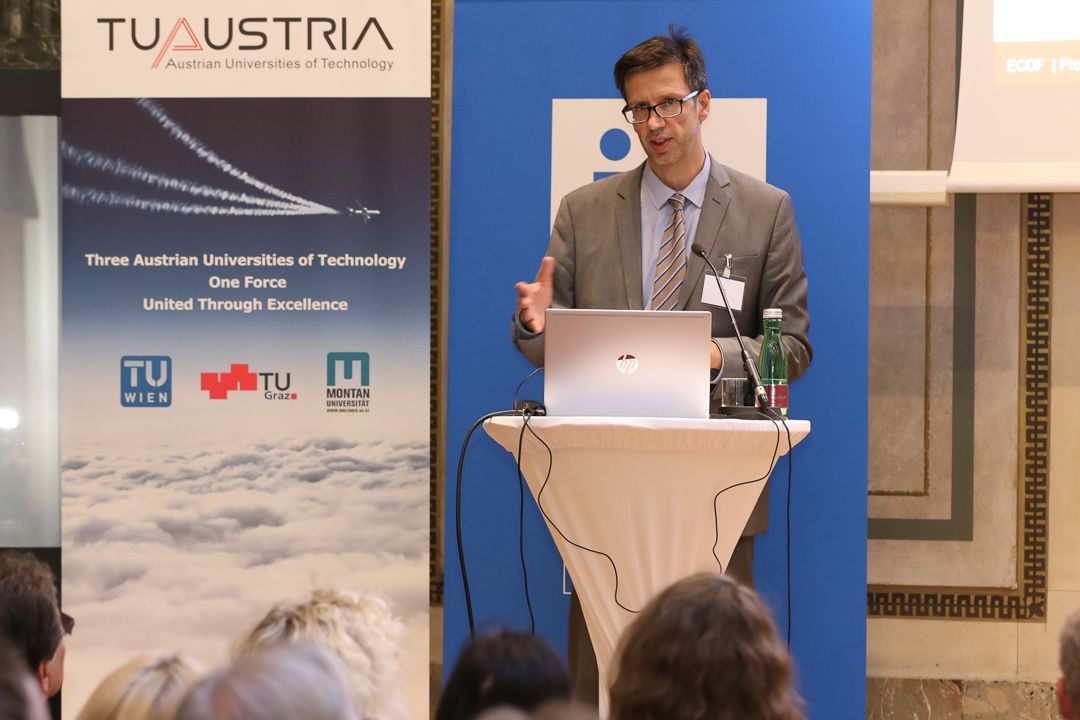
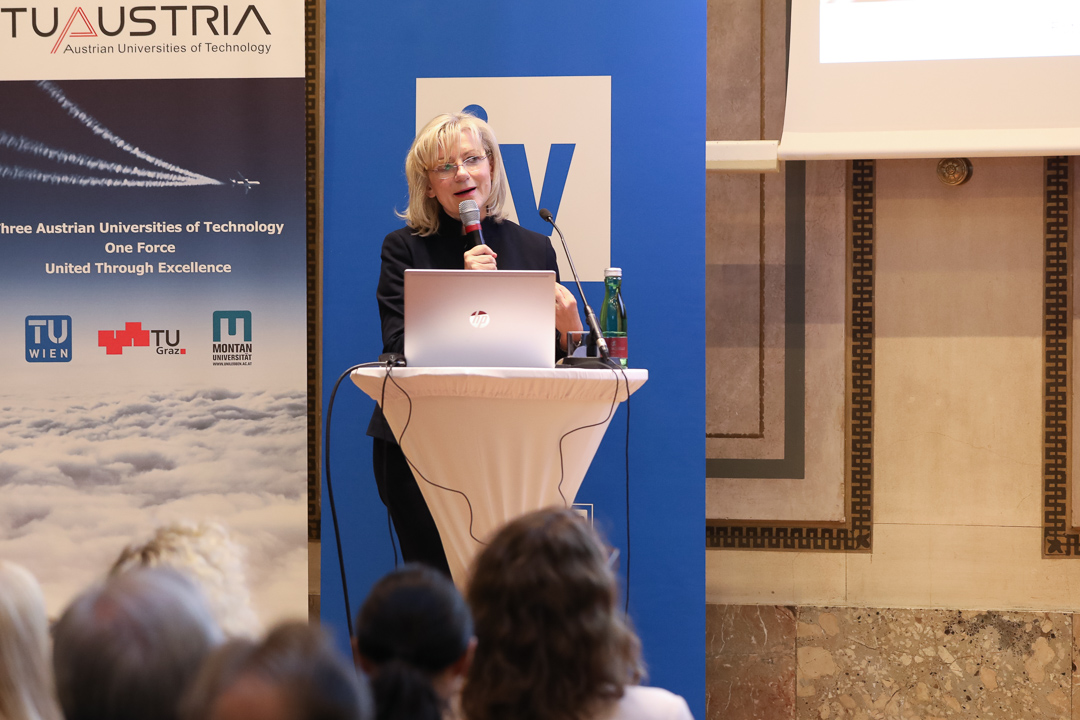
At the invitation of the Federation of Austrian Industries (IV) and TU Austria, national and international experts and company representatives discussed the challenges for companies in attracting top international talent and how Austrian universities can position themselves in the European and international research area in order to be successful in the competition for the best minds.
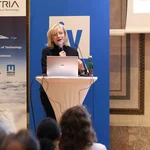
In her welcoming address, Science Minister Iris Rauskala described science and research as the “raw materials of the future” that secure Austria as a location for innovation. “For international competition, our young people must be and remain connected. The basis for the necessary education is research from the foundation to the application. Public funding, especially for basic research, makes it a public good that contributes to prosperity and also distinguishes Austria.”
“Making Austria even more attractive as a research location. This goal unites science and business. The three technical universities are already investing a great deal in the establishment of excellence programs, integrated HR programs, the expansion of their infrastructure and the promotion of young talent. We are also very interested in the efficient organization of teaching and study operations in order to provide young people with the necessary tools,” says Sabine Seidler, President of TU Austria, underlining the importance of the current dialogue.
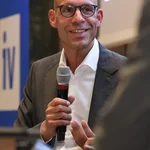
“The foundation of a successful science and technology location consists of science, innovative minds and companies,” emphasized Georg Kapsch, President of the Federation of Austrian Industries (IV).
Close cooperation between science and business is a decisive success factor in order to increase the innovation potential in Austria and strengthen the country's future viability in the long term. After all, “STEM and digitalization pose new challenges not only for the economy, but also for education and science, which must be mastered quickly.” From the industry's point of view, securing the next generation of innovators and intensifying efforts in the STEM sector are central to this. “We must set the course for 20 percent more technology graduates in Austria by 2022 in order to secure the next generation of innovators and alleviate the shortage of skilled workers in companies,” said Kapsch, who presented successful best practice examples from business and science in two keynote speeches: Odej Kao, Spokesman of the Board of the Einstein Center Digital Future (ECDF) Berlin, Technical University of Berlin, reported on interdisciplinary research for digital transformation. The ECDF project is based on a large public-private partnership (PPP) of more than 30 companies and organizations, all four Berlin universities and more than ten research institutes from the Berlin scientific community. The challenge is to form a team of over 50 excellent individuals and to balance multiple stakeholders, interests and priorities. “Added value for all participants is created through joint, excellent research and training instead of isolated efforts. This interdisciplinarity is hard, daily work, but it pays off in the end.
“Under the title “Retaining top talent and attracting new ones - shaping the future of the company with a successful HR strategy” Elisabeth Tomaschko, Head of Human Resources/ Communications, Boehringer Ingelheim RCV GmbH & Co KG, reported on her experiences of employer attractiveness. Basic insight: money alone is not enough to retain top employees. Rather, clear career prospects, attractive partnerships and networks or the available research infrastructure are among the factors that maintain motivation. Extensive relief from administrative tasks or measures for balancing work and family life are also decisive success factors. “The fundamental question is how to be and remain exciting as a company. This is also an essential factor for an emotional bond, which is a good basis for mutual loyalty.
“For TU Austria President Sabine Seidler, one thing is clear: “A binding and long-term growth path will play a central role in research funding. Particular attention must be paid to basic research and application-oriented basic research, as this is the only way to ensure a broad basis for disruptive innovations. Our systems must be made fit for the future and this requires courageous, forward-looking policies.
“In order to create further excellence for science and industry and to be attractive to the best minds, it is particularly important for universities to raise their profile and increase their international visibility and competitiveness,” said Kapsch. This also includes attractive framework conditions for top and young researchers and an excellence initiative in research in order to make basic research more competitive, make universities more research-driven and significantly increase technology transfer to industry. “We also need a modern and comprehensive overall strategy for qualified immigration in Austria in order to attract skilled workers,” said the IV President.
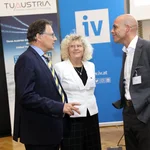
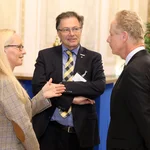
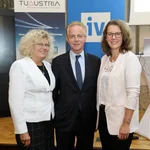
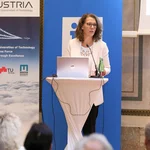
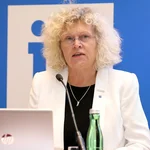
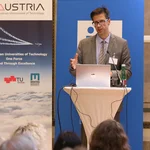
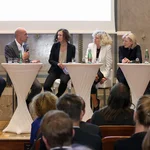
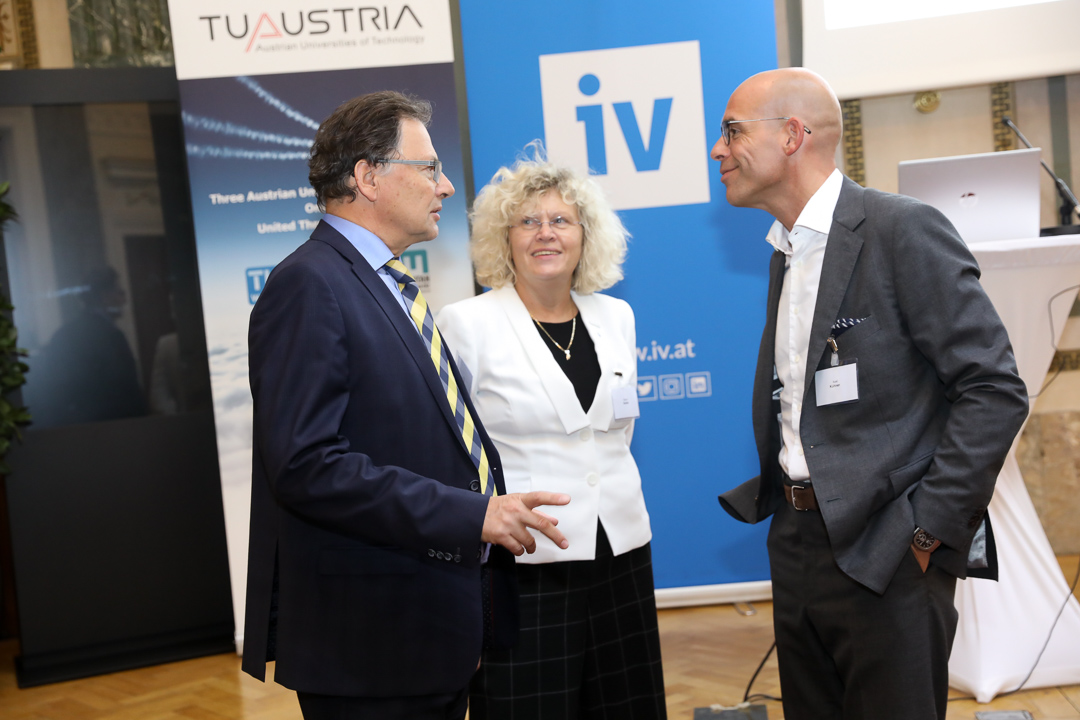
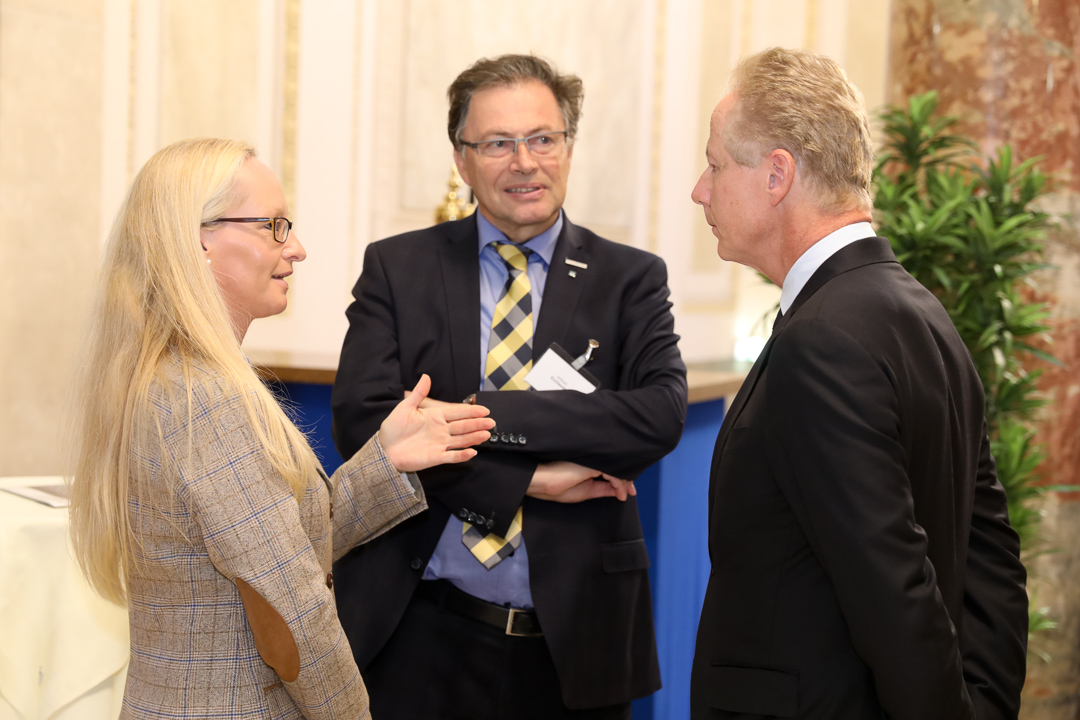
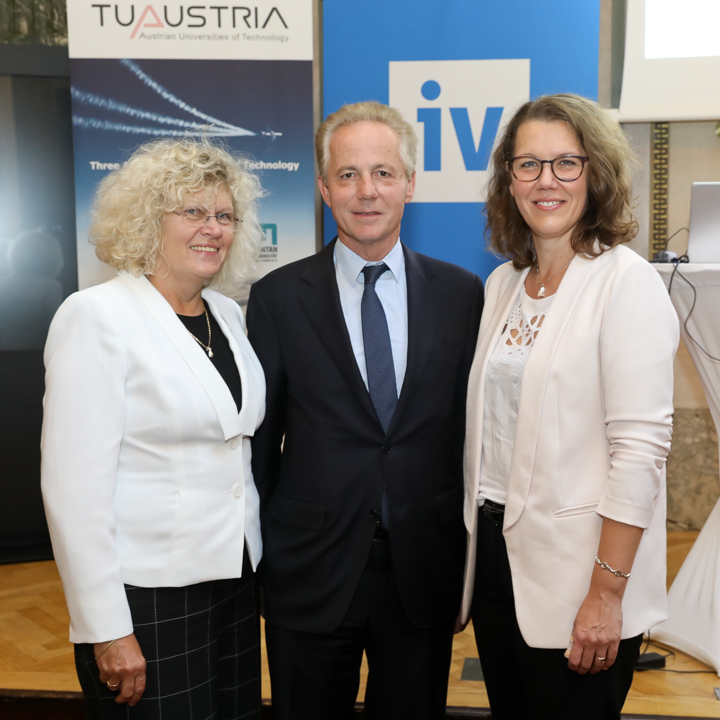
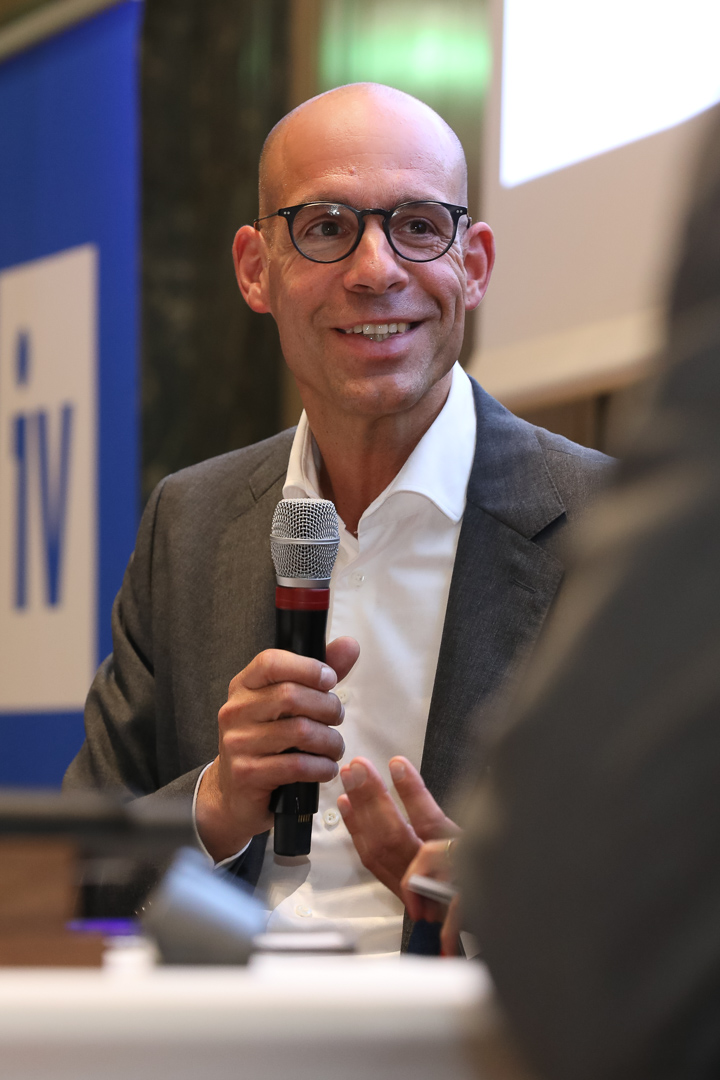
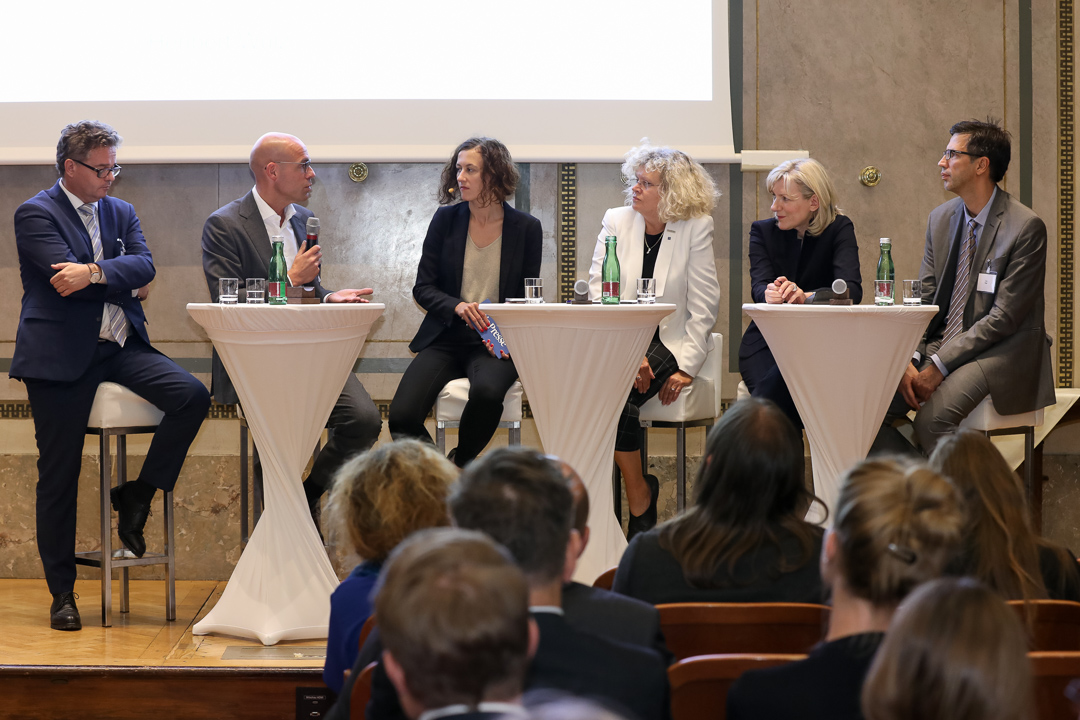
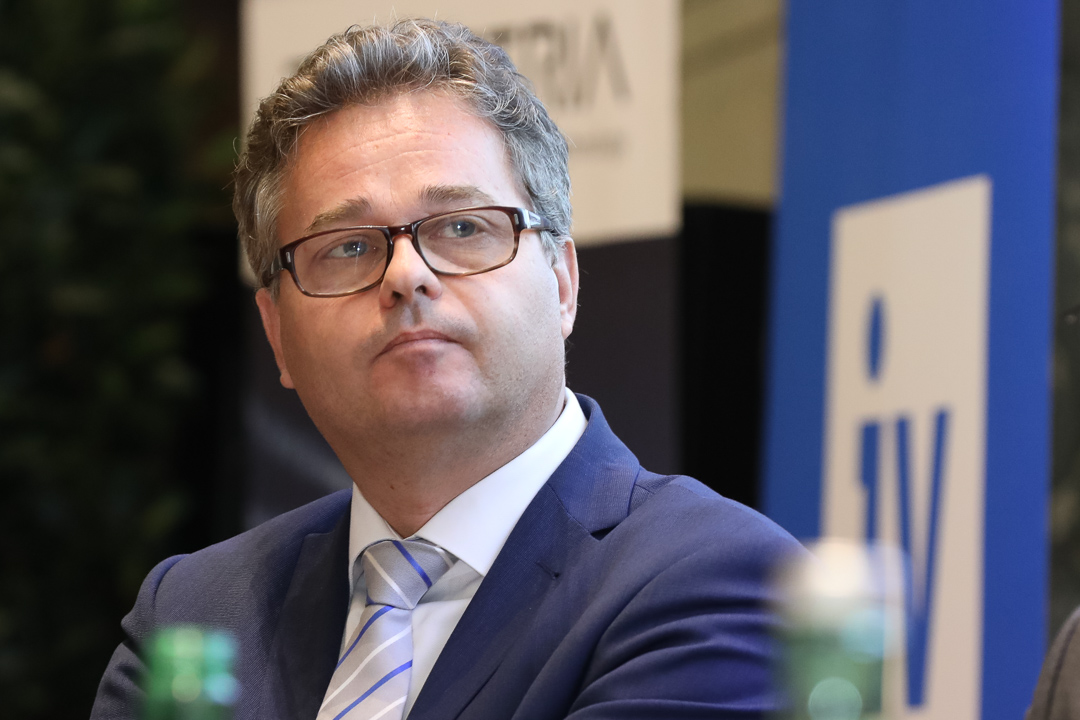
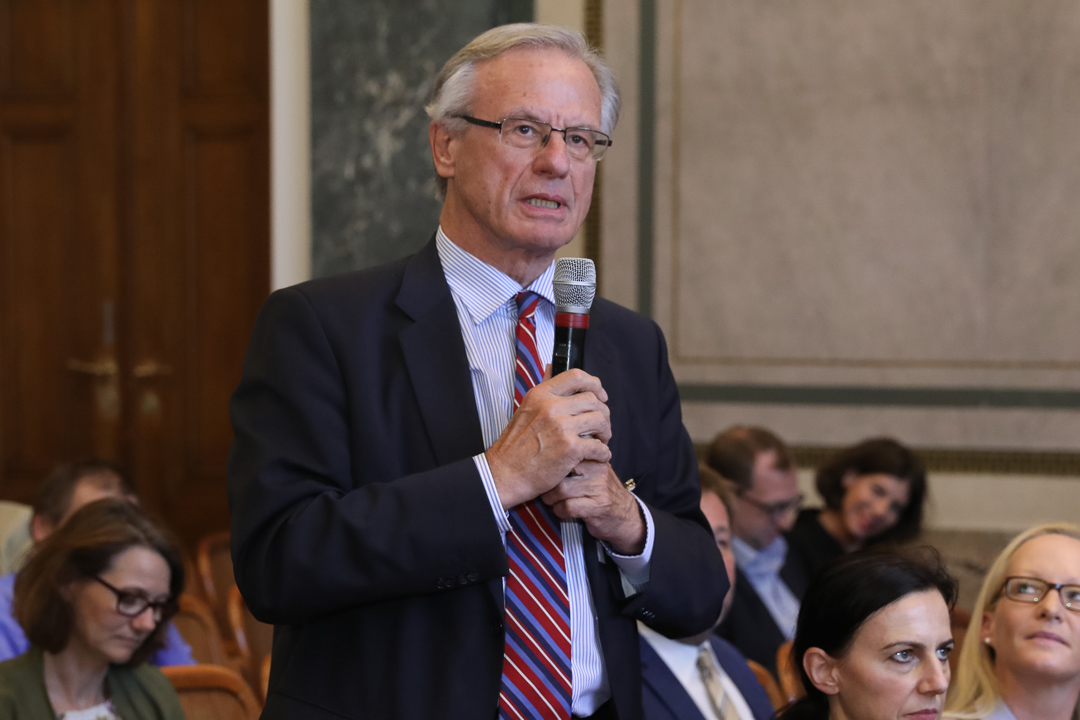
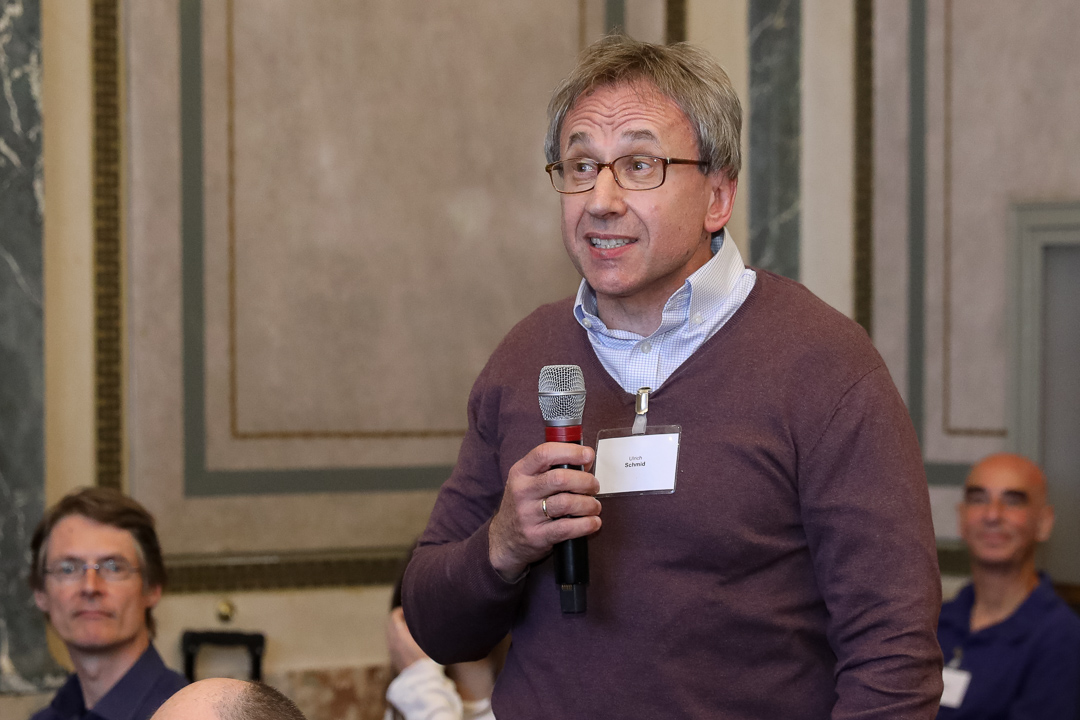
At the second “Higher Education Policy Dialogue” in the House of Industry, the following discussed: Federal Minister Iris Rauskala (Federal Ministry of Education, Science and Research) and Heribert Wulz (BMBWF), Georg Kapsch (Federation of Austrian Industries) and Axel Kühner (Greiner AG), Sabine Seidler (Vienna University of Technology), Harald Kainz (Graz University of Technology), Wilfried Eichlseder (Montanuniversität Leoben), Odej Kao (Einstein Center Digital Future, Berlin) and Elisabeth Tomaschko (Boehringer Ingelheim).
For further information:
TU Austria:
Mag. Dr. Elke Standeker, Bakk. MBA
Secretary General of TU AustriaT: +43 3842 402 7013
elke.standeker(at)tuaustria.ac.at
http://www.tuaustria.at/
IV-Newsroom
+43 (1) 711 35-2306
newsroom(at)iv.at
https://www.iv.at/Presse
© Katharina Schiffl
© Katharina Schiffl
© Katharina Schiffl
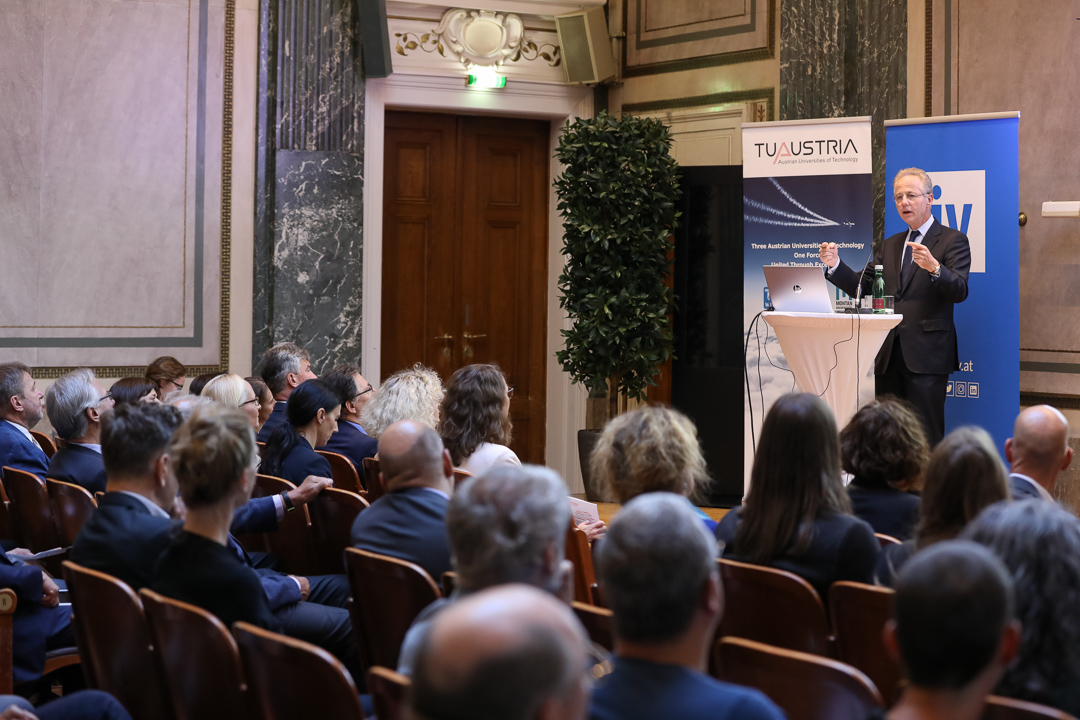
© Katharina Schiffl
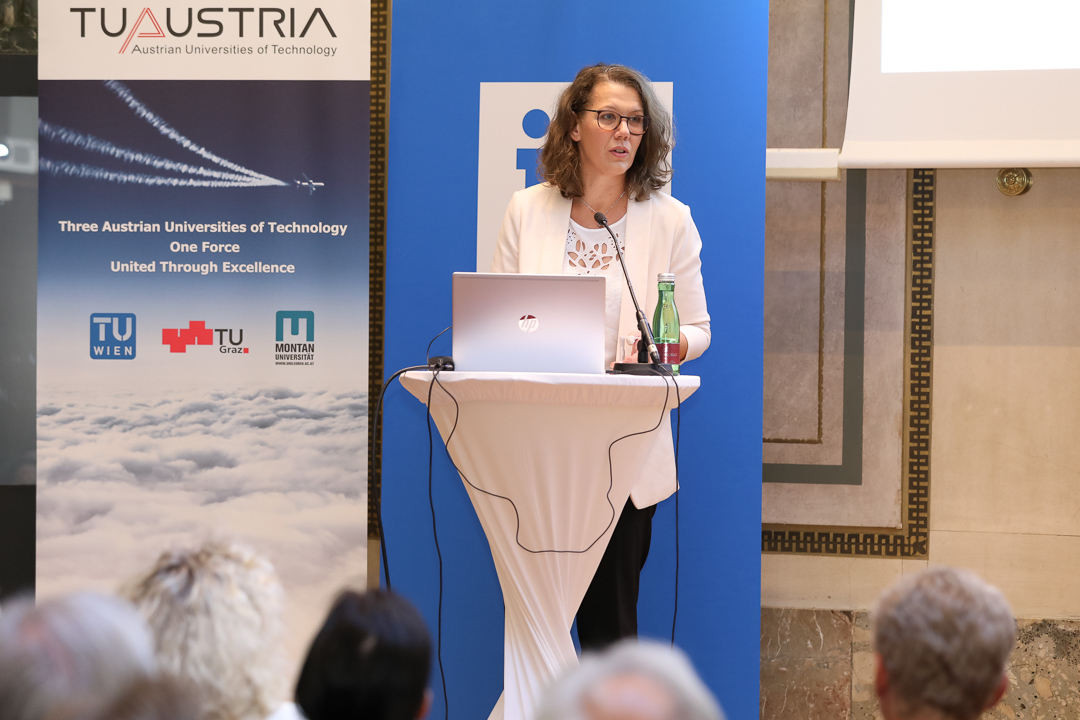
© Katharina Schiffl
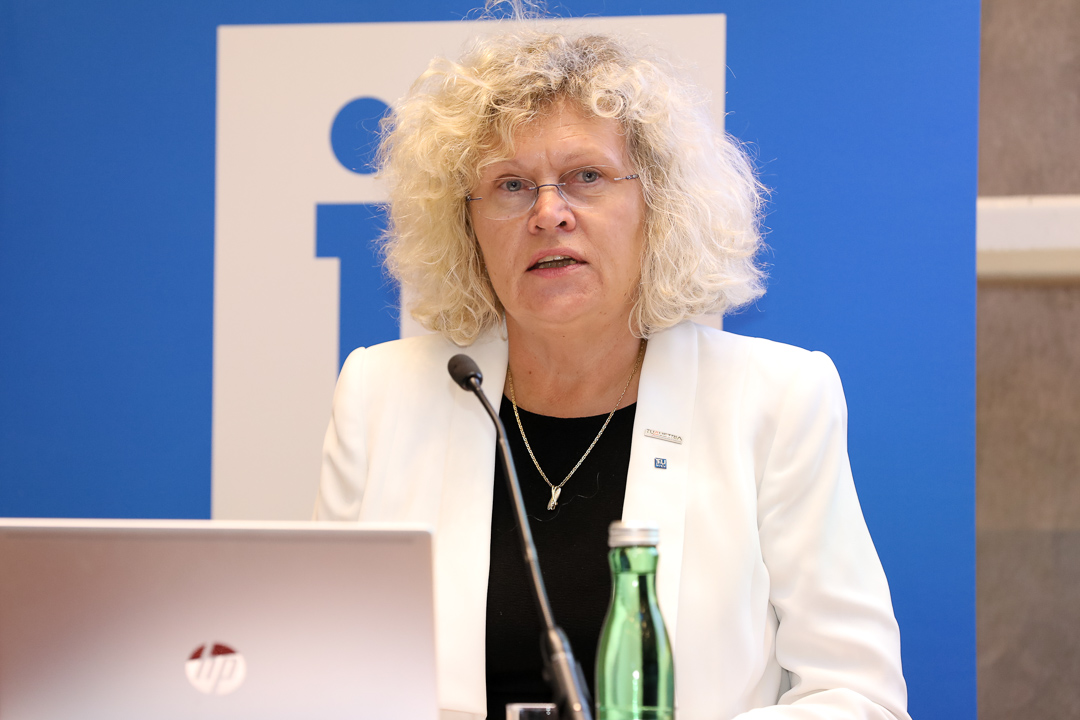
© Katharina Schiffl
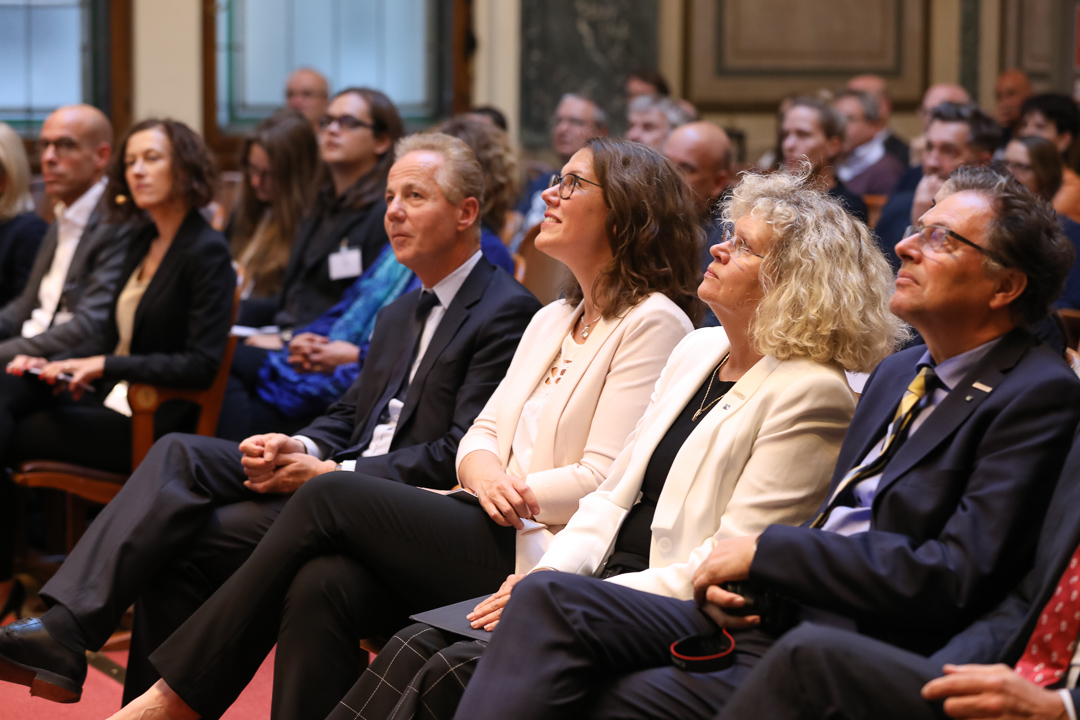
© Katharina Schiffl
© Katharina Schiffl
© Katharina Schiffl
© Katharina Schiffl
© Katharina Schiffl
© Katharina Schiffl
© Katharina Schiffl
© Katharina Schiffl
© Katharina Schiffl
© Katharina Schiffl
© Katharina Schiffl
© Katharina Schiffl